

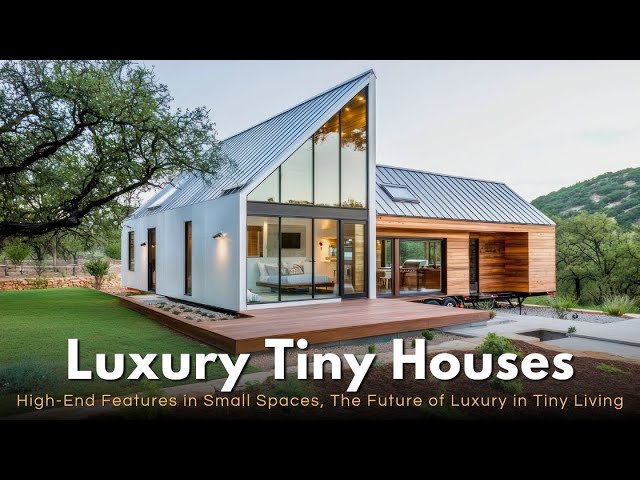
Luxury Tiny Living: How Modern Modular Homes are Redefining Premium Living Spaces
The concept of luxury living is undergoing a revolutionary transformation, with modern modular homes leading the charge in redefining what upscale living means in today’s world. Gone are the days when luxury necessarily meant sprawling mansions and excessive square footage. Instead, a new paradigm of luxury tiny living has emerged, one that masterfully blends innovative design, smart technology, and premium comfort within thoughtfully crafted compact spaces under 600 square feet.
In this era of intentional living, small houses and prefab homes are capturing the imagination of design enthusiasts and homeowners alike. These sophisticated dwellings demonstrate that luxury isn’t measured in square footage but rather in the quality of life and thoughtful design details that transform everyday living into an extraordinary experience. Through precision engineering and cutting-edge manufacturing processes, these homes deliver premium aesthetics and expanded living spaces while maintaining an unwavering commitment to efficiency and style. For more comprehensive design insights, check out our detailed Tiny House Design Guide 2026: Modern Floor Plans & Layouts for Every Need.
The marriage of luxury and compact living isn’t just a passing trend – it’s a movement rooted in sustainability, innovation, and the desire for a more intentional lifestyle. From smart home integration to biophilic design elements, these spaces prove that downsizing doesn’t mean downgrading. Instead, it opens up new possibilities for experiencing luxury in its most refined and purposeful form.
Defining Small Houses and Their Appeal
The modern small house movement centers around dwellings typically ranging from 200 to 600 square feet, but these compact spaces pack an outsized punch when it comes to luxury and functionality. What makes these homes truly remarkable is their ability to incorporate high-end finishes and smart design solutions that create an atmosphere of spaciousness and sophistication despite their modest footprint.
One of the most compelling aspects of luxury tiny living is the integration of Japandi design principles, a sophisticated fusion of Japanese minimalism and Scandinavian warmth. This aesthetic approach employs light wood paneling, shoji doors, and carefully curated neutral palettes to create spaces that feel both serene and luxurious. The result is an environment that celebrates the beauty of simplicity while maintaining an undeniable air of refinement. For additional inspiration on maximizing design in compact spaces, take a look at our Tiny House Design Guide 2026.
The growing trend toward downsizing is expected to surge by 2026, driven by a desire for sustainable, cost-effective lifestyles that don’t sacrifice luxury. These homes excel in their use of multifunctional furniture, with innovative pieces that seamlessly transition from comfortable seating to sleeping areas, ensuring that every square foot serves multiple purposes without compromising on style or comfort. For a closer look at how modular options compare with other housing solutions, explore our in-depth comparison of Shipping Container Homes vs. Prefab Modular Homes.
Exploring Prefab Homes as a Solution
Prefab homes represent a revolutionary approach to luxury construction, with factory-built modules that are assembled on-site using precision-controlled processes. This method not only ensures consistent quality but also allows for rapid construction without compromising on high-end finishes and custom details. The controlled environment of factory construction means that each component is crafted to exacting standards, resulting in superior build quality compared to traditional construction methods.
These homes showcase the perfect marriage of efficiency and luxury, with build times measured in weeks rather than months, while still incorporating premium features like natural stone countertops, designer textiles, and spa-like bathrooms complete with heated floors. The precision of prefab construction allows for innovative design elements that might be challenging to achieve with traditional building methods, such as perfectly aligned joints and seamless integration of smart home technology. Discover more about the advanced construction of these structures in our article on The Evolution of Tiny House Construction: How Aluminum Frame Tiny Houses are Revolutionizing Prefab Homes.
Perhaps most impressively, prefab homes excel in their ability to create expanded living spaces through clever design innovations. Expandable modules and flexible floor plans allow these homes to adapt to changing needs while maintaining their luxurious aesthetic. The result is a living space that feels significantly larger than its actual footprint, thanks to thoughtful design and premium materials that maximize both functionality and visual appeal.
Modern Modular Homes: The Future of Luxury Tiny Living
Modern modular homes represent the pinnacle of prefab construction, consisting of precisely engineered sections that come together to create a cohesive, high-end living space. These homes leverage advanced manufacturing techniques and innovative design approaches to deliver luxury living solutions that often surpass traditionally built homes in both quality and functionality.
The technology integration in modern modular homes is particularly impressive, featuring elements like disappearing interiors with automated projectors, reconfigurable walls, and smart glass facades that provide privacy at the touch of a button. These innovative features transform these compact spaces into dynamic environments that adapt to their owners’ needs throughout the day. Learn about the comparison of mass-produced options with custom solutions in our guide on Boxabl vs. Custom Prefab Homes.
Real-world examples of these luxury modular homes include stunning A-frame cabins featuring designer lighting systems and innovative indoor-outdoor flows created by vanishing walls. These design elements blur the boundaries between interior and exterior spaces, effectively expanding the living area while maintaining an intimate connection with the surrounding environment. Curious about investments in modular living spaces? Check out why developers are switching to modular units in our article on Tiny House Resort ROI.