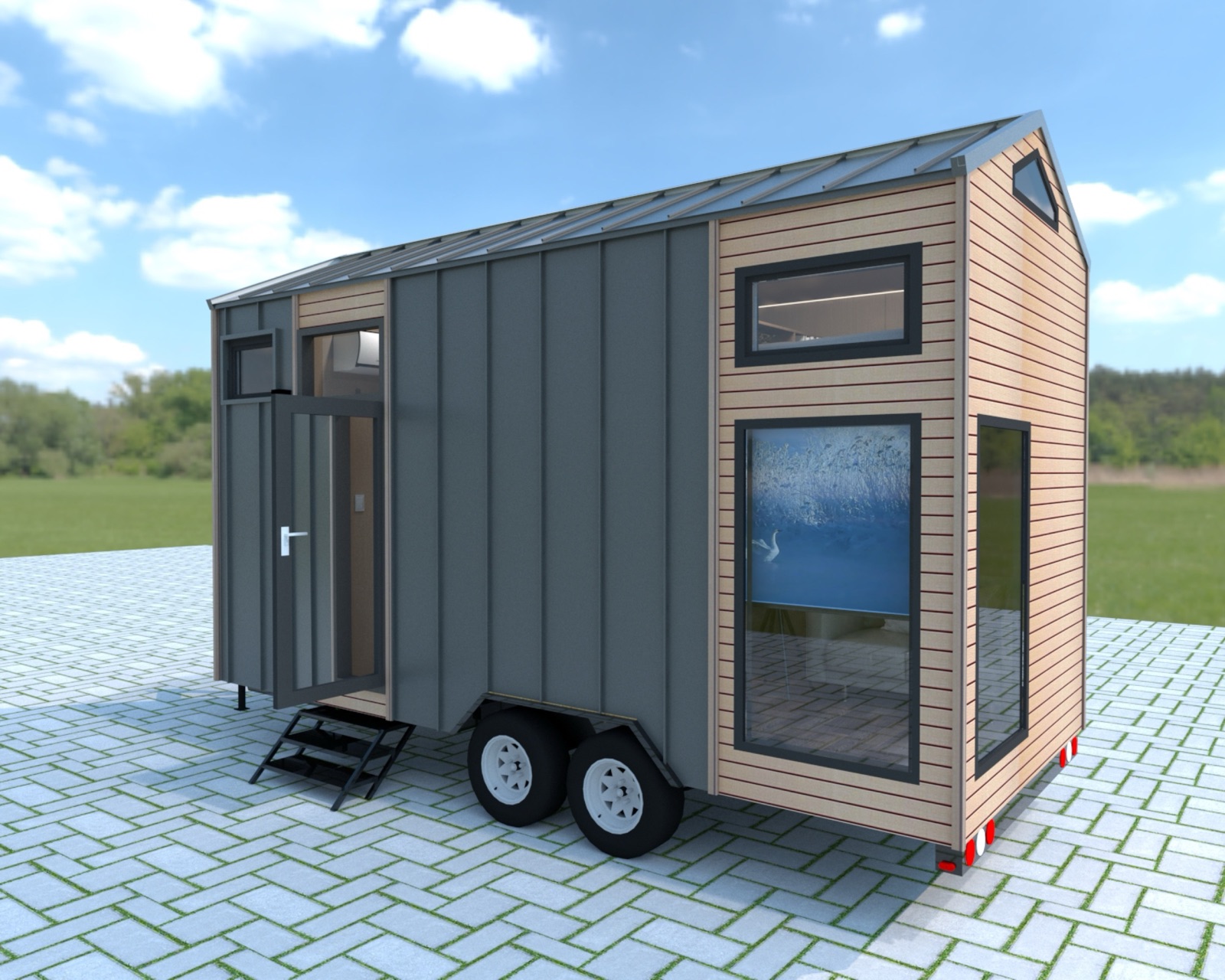
Dealer & Partner Program

Sell Certified Tiny Homes.
Factory Direct.

Magic Box is one of the only Chinese-manufactured tiny home brands with genuine third-party ANSI 119.5 (NOAH+) certification — giving our dealers access to glamping resorts, RV parks, and ADU markets that other suppliers simply cannot enter.

NOAH+ / ANSI 119.5 Certification In ProgressThird-party inspection on every unit — accepted at glamping resorts, RV parks, and by lenders & insurers across the USA
🇺🇸
United StatesANSI 119.5 Certified
🇦🇺
AustraliaNCC Compliant Supply
🇳🇿
New ZealandPS1 Engineering
🇨🇦
CanadaCSA Z240 In Progress
🏕️
GlampingCluster Pricing Available
🏗️
ADU & DevelopmentEngineering Package Included

Who We Work With

Three Ways to Partner

Whether you operate a glamping resort, run a dealership, or develop property — there's a Magic Box partnership model designed for your business.

🏪

Regional Dealers & Distributors

Stock and sell Magic Box products in your region with exclusive territory options. Ideal for home improvement retailers, modular home dealers, and outdoor living specialists.

  • Exclusive regional territory options
  • Full product training & sales materials
  • Marketing co-op support
  • Display unit program available
  • Dedicated account manager
Apply as Dealer
🏗️

Developers & Builders

Source factory-direct for ADU projects, housing developments, and construction sites. We supply engineering documentation packages to simplify permitting in all target markets.

  • Engineering package included per model
  • Kit homes — no national certification needed
  • Container homes with IBC 3115 PE-ready plans
  • Volume pricing from 3+ units
  • AU & NZ structural engineering support
Start a Conversation

Why Magic Box

The Competitive Advantages Your Customers Will Ask About

Most Chinese prefab exporters offer price. We offer price plus the certifications, documentation, and support that let you sell into markets your competitors can't access.

01

ANSI 119.5 / NOAH+ Certification

One of the only Chinese manufacturers with genuine third-party ANSI 119.5 certification — not self-declared compliance. This opens glamping resorts, RV parks, and lender-backed sales that remain closed to uncertified competitors.

02

Engineering Documentation Included

Every container home and kit home comes with a permit-ready engineering package. Your clients spend less time and money on approvals — that's a genuine selling point you can quote.

03

Factory-Direct Pricing

30+ unit monthly capacity from our Yantai factory means competitive pricing without distributor markups. Your dealer margin is built in from the start, not squeezed out.

04

Founder-Led Quality Control

Our founder is a former Texas glamping operator who built and ran her own site. She knows what fails in the field. Every product decision reflects real-world operator experience, not just factory defaults.

05

Multi-Market Certification Roadmap

We are actively pursuing certification across US, AU, NZ, and CA — giving our dealers a long-term supply partner with documented compliance pathways in every target market.

Our Certification Status

We publish our certification status honestly. We do not claim certifications we do not hold.

ANSI 119.5 / NOAH+ — In ProgressThird-party video inspection per unit. Opens US glamping & RV park markets.
🔄
ISO 9001 — In ProgressQuality management system certification with CNAS-accredited body.
🔄
CSA Z240 (Canada) — ApplyingCanadian park model standard. Timeline: 6–12 months.
📋
NCC (Australia) — Engineering SupportAU structural engineering partner engaged for AS 1170 compliance.
< 5

Chinese THOW manufacturers with genuine third-party ANSI certification. Your customers cannot easily find an alternative.

What You'll Sell

Five Product Lines, One Factory Partner

From ANSI-certified tiny homes on wheels to permit-friendly backyard studios — a full range of products for different buyer types and markets.

🏠
ANSI 119.5 Certified

MagicSlide — Expandable THOW

Tiny house on wheels with slide-out expansion. NOAH+ certified. Opens glamping resort, RV park, and ADU markets.

From$35,000
On wheelsVIN registeredRV park compliant
🌿
Highest Growth

MagicStudio — Backyard Studio

Under 120 sqft — no building permit required in most US jurisdictions. Solar-capable. Perfect for WFH professionals, Airbnb hosts, and creatives.

From$9,900
No permit neededSolar ready3-day install
📦
Includes Eng. Package

Container Home — 20ft & 40ft

Modified shipping container homes with PE-ready engineering package included. IBC Section 3115 compliant documentation for smoother permitting.

From$28,000
Eng. package incl.ISO data plate20ft or 40ft
🔧
Easiest to Permit

MagicNest — DIY Kit Home

Light steel panel kit shipped flat-pack, assembled on-site. No national certification needed anywhere. Ideal for AU and NZ markets where housing costs are extreme.

From$18,000
No cert neededShips flat-packAU/NZ ready
🏡
Premium

MagicPod — Modular Home

Fully furnished modular dwelling. Best suited to AU and NZ markets where NCC applies nationally. Guest house, granny flat, and ADU applications.

From$32,000
Fully furnishedAU/NZ focusedADU ready

Active Markets

We Support Dealers in Four Countries

Each market has different certification requirements. We handle the compliance complexity so you can focus on selling.

🇺🇸

United States

ANSI 119.5 certified opens glamping resorts, RV parks, and lender-backed sales. Backyard studios under 120sqft require no permit in most jurisdictions.

  • THOW with NOAH+ certification
  • Backyard studio — no permit needed
  • Container homes with IBC 3115 docs
  • Focus: TX, FL, CA glamping operators
🇦🇺

Australia

No tariffs on Chinese products. NCC applies nationally. ADU laws relaxed in 2025. Strong demand driven by housing affordability crisis.

  • Kit homes — NCC via local builder
  • Container homes — NCC + AU engineer
  • Modular homes — NCC national std.
  • Focus: QLD, NSW, VIC ADU market
🇳🇿

New Zealand

Same shipping route as Australia. Local builds cost NZD $154,000–$177,000+. Almost no certified Chinese competition. Significant price gap opportunity for dealers.

  • PS1 structural engineering support
  • Kit homes — lowest entry barrier
  • Dealer partner: Dracon International
  • Focus: Auckland, Wellington, Christchurch
🇨🇦

Canada

CSA Z240 certification application in progress (6–12 months). Container homes are simpler — local engineering only, no CSA needed. Significant opportunity for forward-thinking dealers.

  • CSA Z240 in progress for THOWs
  • Container homes — local eng. only
  • Kit homes — NBC via local builder
  • Focus: BC, Ontario, Alberta markets

The Numbers That Matter

Your Clients' ROI Story

For glamping operators, the math on a Magic Box cluster purchase is exceptionally compelling. Here is what you can show a resort operator when presenting a 10-unit proposal.

$150–$250

Average nightly glamping rate per cabin in the US (2025)

70%

Average occupancy rate at established glamping resorts

<6 mo

Typical payback period for a 10-unit glamping cluster at average rates

15%

US glamping market CAGR — growing to $1.3B by 2029

10-Unit Glamping Cluster — Annual Revenue Model

Based on MagicSlide THOW at $35,000/unit with cluster pricing

Unit cost (10 units × $35K, –15% cluster)$297,500
Nightly rate (conservative $150)$150 / night
Occupancy (70% × 365 days × 10 units)2,555 nights
Gross annual revenue$383,250
Estimated payback period< 12 months
At $250/night$638,750 / year

How It Works

From Application to First Sale

We have streamlined the onboarding process so you can start selling within weeks, not months.

1

Apply & Qualify

Complete the form below. Our team reviews your market, customer base, and goals. Response within 48 hours.

2

Product & Pricing Briefing

Video call with our team — full product catalogue, wholesale pricing, and market-specific compliance overview.

3

Agreement & First Order

Sign dealer agreement. Place first order. We provide all sales collateral, spec sheets, and marketing materials.

4

Ongoing Support

Dedicated account manager. Engineering package support per project. Regular product updates as new lines launch.

Common Questions

Dealer FAQ

What is the minimum order quantity?

For dealer accounts, the minimum is typically 1 unit to start, with volume pricing available from 3+ units and cluster pricing (15% off) from 5+ units. Glamping operators with a specific site project can discuss bespoke terms.

How does the ANSI 119.5 certification work?

We are completing NOAH+ certification, which covers both ANSI 119.5 and IRC dwelling codes. Every unit undergoes a third-party video inspection during manufacturing. Each certified unit receives a NOAH seal and digitised inspection record — accepted by glamping resorts, RV parks, and insurance underwriters across the US.

What support do I get for permitting in my market?

Container home and kit home models come with a permit-ready engineering package that your clients can take directly to their local PE engineer. For Australian and New Zealand dealers, we have structural engineering partners who provide compliant documentation per model.

What is the lead time from order to delivery?

Standard production lead time is 45–75 days from confirmed order. Shipping transit adds 25–35 days to the US, or 18–28 days to Australia and New Zealand. We work with established freight partners in all target markets.

Can I see a unit before committing?

We can arrange virtual factory tours and have reference customers in multiple markets who are open to site visits. Contact us and we will facilitate introductions appropriate to your target market and product interest.

Are your products suitable for the Australian and NZ market without modification?

Our Australia-bound units are specified for AS 1170 wind loads, 100mm PU insulation panels (NatHERS compliant), and shipped with timber heat-treatment (HT) certificates for AQIS biosecurity. Final electrical and plumbing connections are completed by local licensed trades on-site.

Do you offer exclusive territory arrangements?

Yes, for committed regional dealers who meet agreed volume thresholds, exclusive territory arrangements are available in both the US (by state) and internationally (by country or region). Discuss during your initial briefing call.

What products require no building permit?

Our MagicStudio backyard studio, at under 120 sqft with no permanent plumbing or grid-tied electrical, requires no building permit in most US jurisdictions. Always recommend that clients verify local rules — regulations vary by municipality and HOA.

Apply Now

Start Your Dealership Application

Complete the form and our team will respond within 48 hours with a company profile, product catalogue, and wholesale pricing sheet.

What you'll receive

After submitting your application, you'll get:

  • 📋
    Full product catalogue with wholesale pricing across all five product lines
  • 📊
    Market-specific compliance overview for your country (US, AU, NZ, or CA)
  • 🏕️
    Glamping ROI calculator and sample project financials (for hospitality applicants)
  • 📐
    Sample engineering package for container home and kit home products
  • 📞
    Scheduled call with our founder — former Texas glamping operator and ex-Amazon SDE

Dealer Enquiry

Due to high volume, our team responds within 48 hours. For urgent enquiries email sales@magicboxtinyhouse.com with subject: Dealership.

The more detail you provide, the more tailored our response will be.

By submitting you agree to our Privacy Policy. We do not sell or share your information.

Winterized Tiny Houses

Winterized Tiny Houses: Engineering Comfort in Canada’s Extreme Cold

Reading Time: Approximately 10 minutes


In the vast expanse of Canada’s challenging climate, a revolution in compact living is taking shape. The winterized tiny house, a marvel of modern engineering typically under 400 square feet, represents far more than just another housing trend. These meticulously designed dwellings showcase how sophisticated insulation technology and smart construction methods can create comfortable year-round homes, even when temperatures plummet to a bone-chilling -40°C.

The concept of winterized tiny houses has evolved far beyond its humble beginnings as a minimalist lifestyle choice. Today, these structures represent the convergence of advanced building science, environmental consciousness, and practical solutions for Canada’s housing needs. Through careful engineering and innovative design, these homes maintain a cozy interior temperature of +28°C even during the harshest winter conditions, making them viable options for everything from remote work locations to tourism accommodations. For additional insights into how innovative prefab solutions compare with alternative construction methods, check out this detailed comparison.

The rise of prefab construction methods has particularly revolutionized this sector. Factory-built modular construction ensures consistent quality and reliable insulation performance, addressing the critical challenges of extreme weather resistance. This approach has opened new possibilities for commercial applications, from vacation rentals to workforce housing solutions, particularly in Canada’s remote regions. For a deeper look into the economic benefits and investment potential of modular tiny houses, read more here.


Understanding Winterized Tiny House Technology

The engineering behind winterized tiny houses represents a masterful integration of multiple building science principles. At the core of these dwellings lies a sophisticated approach to thermal management that begins with high R-value insulation strategically placed throughout the structure. This isn’t simply a matter of stuffing more insulation into walls; it’s about creating a comprehensive thermal envelope that works in harmony with other building systems.

Modern winterized tiny houses employ a multi-layered defense against the cold. The first line of defense is an airtight construction envelope that prevents both drafts and moisture infiltration – two of the biggest challenges in cold-climate construction. This is complemented by advanced heating systems, including mini-splits and radiant floor heating, which provide efficient, consistent warmth throughout the space. For innovative construction methods using advanced materials and design techniques, learn more about recent evolutions in tiny house construction here.

The benefits for residents extend far beyond mere comfort. These homes achieve remarkable energy efficiency, translating to significantly reduced utility bills despite extreme weather conditions. Moreover, sophisticated ventilation systems maintain indoor humidity levels between 10-20%, striking the perfect balance between comfort and mold prevention. This attention to moisture control is crucial in cold climates, where condensation can quickly lead to structural issues if not properly managed. For an in-depth look, see more here.


The Science of -40°C Insulation

When we discuss -40°C insulation, we’re talking about more than just thickness or R-value. These insulation assemblies represent a carefully engineered system designed to maintain high thermal resistance while preventing interior surfaces from reaching the dew point – a critical consideration in extreme cold conditions. The implementation often involves sophisticated materials like foam-core Structural Insulated Panels (SIPs), which create an exceptional thermal barrier through their sandwich construction of plywood or OSB with rigid foam insulation.

One of the most innovative aspects of these designs is the approach to floor insulation, particularly in mobile tiny houses built on metal trailers. Engineers have developed above-deck floor systems using rigid foam insulation that effectively eliminates thermal bridging – the heat loss that typically occurs through metal structural elements. This is further enhanced by protective skirting or full encapsulation of the underfloor area, creating a critical buffer zone that helps maintain warmer temperatures beneath the living space. Mobile tiny houses benefit from proper trailer design; further details can be found in this guide to tiny house trailers. In addition, modern engineering also leverages advanced materials like 6063 Aluminum for enhanced anti-corrosion properties, an innovation that supports the longevity of these structures. For more on the topic, visit this page.

The impact of these advanced insulation methods is remarkable. Real-world performance data shows that while external temperatures may plunge to -40°C, and underfloor areas might reach -8°C, the living space maintains a comfortable +28°C. This level of performance not only ensures comfort but also protects the structure itself from the damaging effects of extreme temperature fluctuations, significantly extending the building’s lifespan.


The Commercial Advantage of Canada Prefab Solutions

The prefabricated approach to tiny house construction has emerged as a game-changer in the commercial sector. Factory-based construction allows for precise control over every aspect of the build, particularly crucial for the complex insulation and air-sealing requirements of cold-climate homes. This controlled environment ensures consistent quality and reliable performance, factors that are essential for commercial viability.

Market trends in Canada show growing demand across multiple sectors. Commercial real estate developers are increasingly turning to winterized tiny houses as solutions for everything from workforce housing to tourist accommodations. The scalability of prefab construction, combined with lower labor costs and rapid on-site assembly, creates an attractive proposition for investors looking for quick returns on their investment. Further reading on the economic benefits can be found here.

The business model extends beyond just construction. Leading manufacturers have developed comprehensive support systems, including online training portals for clients and proven protocols for extreme weather operation. This systematic approach to both construction and ongoing support has helped establish winterized tiny houses as a reliable commercial investment, particularly in regions where traditional construction faces significant challenges.


Real-World Success Stories

The proof of any building technology lies in its real-world performance, and winterized tiny houses have delivered impressive results. Consider the case of Lorraine’s Amelia model in Alberta, which consistently maintained +28°C indoor temperatures despite external conditions of -40°C. This achievement wasn’t just about comfort – it represented a triumph of engineering and design that proved these homes could truly perform in extreme conditions.

Another compelling example is Ben & Shay’s Margo model in Ontario. Their decision to choose a prefab option was driven by the superior winter performance and efficient setup processes offered by factory construction. Their experience highlighted how the combination of advanced insulation technology and streamlined prefab construction could create a superior living environment in challenging climate conditions.

These success stories extend beyond individual homeowners to commercial applications. Tourism operators have found success using clusters of winterized tiny houses as unique accommodation options, while remote work initiatives have employed them as comfortable, efficient housing solutions in areas where traditional construction would be impractical or cost-prohibitive.


Looking to the Future

The future of winterized tiny houses in Canada appears remarkably bright. As climate challenges continue and housing needs evolve, these efficient, well-insulated dwellings offer practical solutions for both individual and commercial applications. The integration of -40°C insulation technology with prefab construction methods has created a product that’s not just technically impressive but commercially viable.

For businesses and developers considering investment in this sector, the evidence is compelling. The combination of proven performance in extreme conditions, efficient construction methods, and growing market demand creates an attractive opportunity. Whether for tourism, workforce housing, or other commercial applications, winterized tiny houses represent a sophisticated solution to the challenges of cold-climate living.

As we move forward, the continued refinement of these technologies and construction methods promises even more impressive results. The success of existing projects demonstrates that with proper design, materials, and construction techniques, comfortable, efficient living is possible even in the most challenging climates. For those interested in exploring these opportunities, experienced builders stand ready to provide customizable solutions that meet both technical requirements and commercial objectives.