US Zoning Laws 2026: A Comprehensive Guide to Property Development Reform
The landscape of residential development in America is undergoing a historic transformation through US zoning laws 2026, marking the most significant shift in land use policy since the introduction of single-family zoning a century ago. These sweeping reforms aim to address a critical national housing shortage of 2.8 million units while revolutionizing how property owners can develop their land. For an in-depth look at regulatory changes around Accessory Dwelling Units, check out 2026 ADU Regulations: Your Complete Guide to Accessory Dwelling Units and Tiny Houses.
From expanded ADU permits to streamlined RVIA standards compliance, these changes are reshaping residential development opportunities across the country. Property owners and developers now have unprecedented flexibility in how they can utilize their land, though navigating these new regulations requires careful understanding of both local and federal frameworks.
- Table of Contents
- The Evolution of US Zoning Laws in 2026
- ADU Permits: The Gateway to Housing Innovation
- RVIA Standards: Setting the Bar for Quality and Safety
- The Intersection of Reform: How Everything Works Together
- Practical Implementation Strategies
- Looking Forward
The Evolution of US Zoning Laws in 2026
The transformation of American zoning laws represents a deliberate response to our housing crisis. Where traditional zoning codes once created rigid barriers between housing types, the 2026 reforms embrace a more flexible, market-responsive approach to land use. These changes recognize that sustainable communities require diverse housing options that can adapt to changing demographics and economic conditions.
At the heart of these reforms lies a fundamental shift in how we view residential density. The new framework dismantles decades-old restrictions that limited housing diversity and artificially inflated housing costs. For instance, the elimination of parking minimums alone has significantly reduced development costs, with some projects seeing savings of up to 20% on construction expenses.
ADU Permits: The Gateway to Housing Innovation
Accessory Dwelling Units have emerged as a cornerstone of housing reform, offering property owners a practical way to increase density while maintaining neighborhood character. These secondary units, whether attached, detached, or converted from existing spaces, provide flexible housing solutions for extended families, rental income opportunities, or aging-in-place arrangements. For further details on ADU regulations and guidelines, see 2026 ADU Regulations: Your Complete Guide to Accessory Dwelling Units and Tiny Houses.
The 2026 reforms have dramatically simplified the ADU permit process in many jurisdictions. Gone are the days of prohibitive owner-occupancy requirements and excessive parking mandates. Instead, streamlined approval processes and expanded size allowances have made ADUs a viable option for more property owners than ever before. Developers interested in innovative modular solutions can also review The Rise of Prefab ADUs: Solving the Housing Crisis in Your Backyard.
Property owners considering ADU development now benefit from clearer guidelines and more predictable outcomes. Where previous regulations might have required lengthy variance processes or special permits, many jurisdictions now treat ADUs as by-right development, subject only to basic safety and design standards.
RVIA Standards: Setting the Bar for Quality and Safety
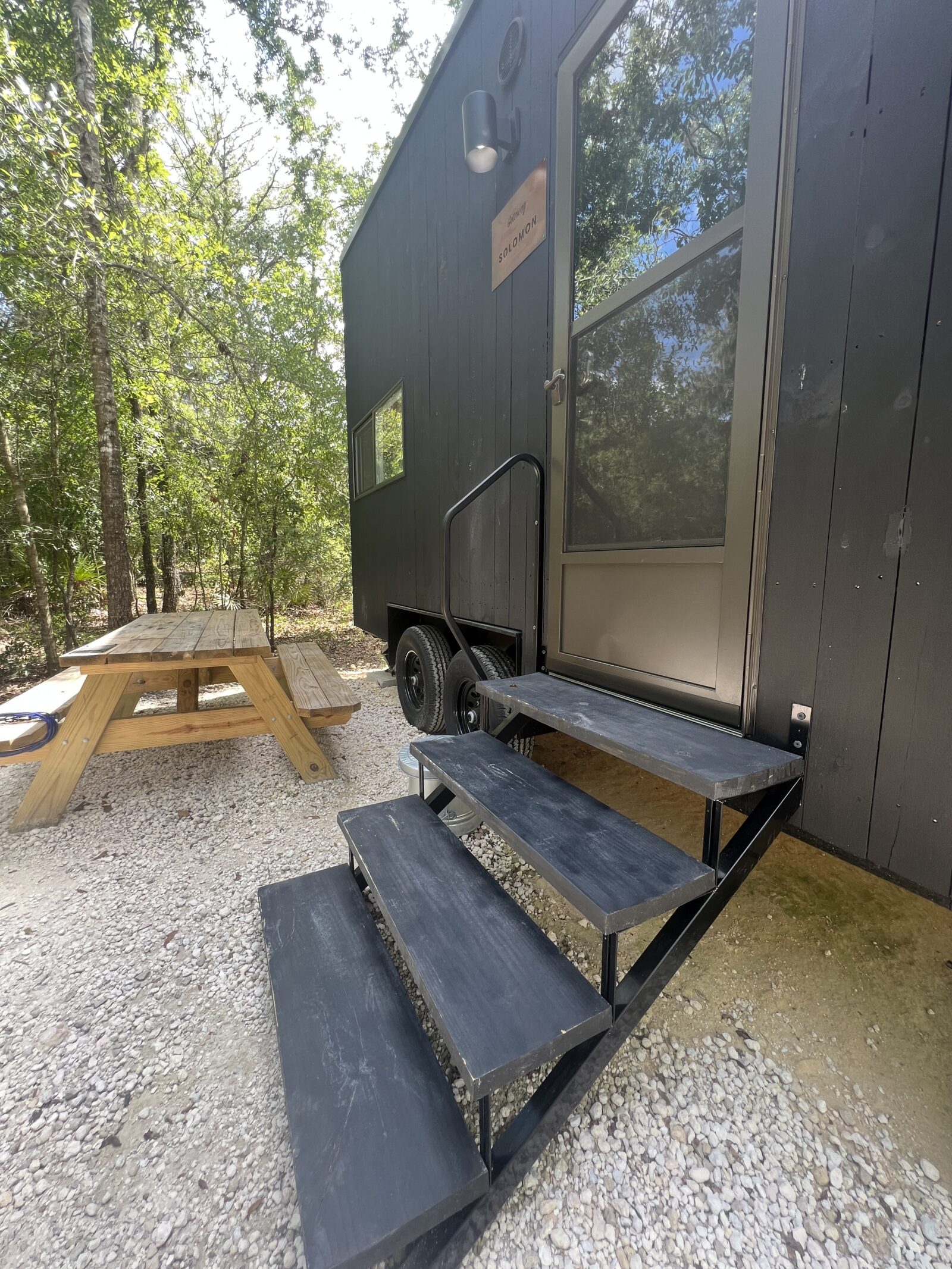
The Recreational Vehicle Industry Association (RVIA) standards have taken on new significance in the context of 2026 zoning reforms. These standards, originally developed for manufactured housing, now play a crucial role in expediting ADU development through pre-certified design and construction specifications. For a deeper look at manufacturing options that complement these standards, consider Shipping Container Homes vs. Prefab Modular Homes: A Detailed Comparison.
For property owners and developers, RVIA compliance offers a reliable path to faster approvals and reduced construction costs. Manufactured units meeting RVIA standards often face fewer local review requirements, as these standards already ensure comprehensive safety and habitability criteria are met. This streamlined approach can significantly reduce the time and expense typically associated with custom construction.
The Intersection of Reform: How Everything Works Together
The genius of the 2026 zoning reforms lies in how they integrate various elements of housing policy. Consider a property owner in a reformed jurisdiction: they can now add an ADU without providing additional parking, choose between site-built or RVIA-compliant manufactured options, and potentially qualify for expedited approval if meeting certain affordability criteria. The streamlined ADU process is exemplified by solutions like Turnkey ADU: Stress-Free Housing Solutions with Plug and Play Homes, Prefabs, and Ready-to-Move Cabins.
This integration extends to federal policy as well. The ROAD to Housing Act provides incentives for municipalities to adopt these reforms, creating a coordinated approach to housing development across different levels of government. The result is a more coherent, predictable development environment that benefits both property owners and their communities.
Practical Implementation Strategies
For property owners looking to take advantage of these reforms, the path forward requires careful planning and understanding of local conditions. Start by confirming your jurisdiction’s specific adoption of 2026 reforms – while federal incentives encourage widespread adoption, local implementation varies significantly.
Consider these key steps:
- Review your local zoning code updates and identify newly permitted uses
- Assess your property’s eligibility for ADU development or other density increases
- Evaluate whether RVIA-compliant manufactured units might offer advantages in your situation
- Engage early with local planning staff to understand specific requirements and opportunities
- Consider whether affordability provisions might provide additional development benefits
Moreover, property owners can consider strategies to boost home value, as outlined in Maximizing Home Value with Backyard Guest Houses and Prefab Granny Flats. For developers, the reforms create opportunities to innovate with new housing products and development approaches. The elimination of parking minimums and reduction in minimum lot sizes allows for more efficient land use and potentially lower per-unit costs. Meanwhile, the acceptance of RVIA standards opens new markets for manufactured housing products.
Looking Forward
The 2026 zoning reforms represent more than just regulatory changes – they signal a fundamental shift in how American communities approach housing development. By embracing housing diversity, reducing unnecessary restrictions, and streamlining approval processes, these reforms create unprecedented opportunities for property owners and developers to address our housing needs.
Success in this new environment requires staying informed about continuing changes and understanding how different elements of the reforms work together. Property owners and developers who master these interactions will find themselves well-positioned to create housing that is both profitable and responsive to community needs.
As we move forward, the most successful projects will likely be those that effectively combine the flexibility of new zoning laws, the efficiency of streamlined ADU permits, and the reliability of RVIA standards. The future of American housing development lies in this integration, creating communities that are more diverse, affordable, and sustainable than ever before.