Dealer & Partner Program

Sell Certified Tiny Homes.
Factory Direct.

Magic Box is one of the only Chinese-manufactured tiny home brands with genuine third-party ANSI 119.5 (NOAH+) certification — giving our dealers access to glamping resorts, RV parks, and ADU markets that other suppliers simply cannot enter.

NOAH+ / ANSI 119.5 Certification In ProgressThird-party inspection on every unit — accepted at glamping resorts, RV parks, and by lenders & insurers across the USA
🇺🇸
United StatesANSI 119.5 Certified
🇦🇺
AustraliaNCC Compliant Supply
🇳🇿
New ZealandPS1 Engineering
🇨🇦
CanadaCSA Z240 In Progress
🏕️
GlampingCluster Pricing Available
🏗️
ADU & DevelopmentEngineering Package Included

Who We Work With

Three Ways to Partner

Whether you operate a glamping resort, run a dealership, or develop property — there's a Magic Box partnership model designed for your business.

🏪

Regional Dealers & Distributors

Stock and sell Magic Box products in your region with exclusive territory options. Ideal for home improvement retailers, modular home dealers, and outdoor living specialists.

  • Exclusive regional territory options
  • Full product training & sales materials
  • Marketing co-op support
  • Display unit program available
  • Dedicated account manager
Apply as Dealer
🏗️

Developers & Builders

Source factory-direct for ADU projects, housing developments, and construction sites. We supply engineering documentation packages to simplify permitting in all target markets.

  • Engineering package included per model
  • Kit homes — no national certification needed
  • Container homes with IBC 3115 PE-ready plans
  • Volume pricing from 3+ units
  • AU & NZ structural engineering support
Start a Conversation

Why Magic Box

The Competitive Advantages Your Customers Will Ask About

Most Chinese prefab exporters offer price. We offer price plus the certifications, documentation, and support that let you sell into markets your competitors can't access.

01

ANSI 119.5 / NOAH+ Certification

One of the only Chinese manufacturers with genuine third-party ANSI 119.5 certification — not self-declared compliance. This opens glamping resorts, RV parks, and lender-backed sales that remain closed to uncertified competitors.

02

Engineering Documentation Included

Every container home and kit home comes with a permit-ready engineering package. Your clients spend less time and money on approvals — that's a genuine selling point you can quote.

03

Factory-Direct Pricing

30+ unit monthly capacity from our Yantai factory means competitive pricing without distributor markups. Your dealer margin is built in from the start, not squeezed out.

04

Founder-Led Quality Control

Our founder is a former Texas glamping operator who built and ran her own site. She knows what fails in the field. Every product decision reflects real-world operator experience, not just factory defaults.

05

Multi-Market Certification Roadmap

We are actively pursuing certification across US, AU, NZ, and CA — giving our dealers a long-term supply partner with documented compliance pathways in every target market.

Our Certification Status

We publish our certification status honestly. We do not claim certifications we do not hold.

ANSI 119.5 / NOAH+ — In ProgressThird-party video inspection per unit. Opens US glamping & RV park markets.
🔄
ISO 9001 — In ProgressQuality management system certification with CNAS-accredited body.
🔄
CSA Z240 (Canada) — ApplyingCanadian park model standard. Timeline: 6–12 months.
📋
NCC (Australia) — Engineering SupportAU structural engineering partner engaged for AS 1170 compliance.
< 5

Chinese THOW manufacturers with genuine third-party ANSI certification. Your customers cannot easily find an alternative.

What You'll Sell

Five Product Lines, One Factory Partner

From ANSI-certified tiny homes on wheels to permit-friendly backyard studios — a full range of products for different buyer types and markets.

🏠
ANSI 119.5 Certified

MagicSlide — Expandable THOW

Tiny house on wheels with slide-out expansion. NOAH+ certified. Opens glamping resort, RV park, and ADU markets.

From$35,000
On wheelsVIN registeredRV park compliant
🌿
Highest Growth

MagicStudio — Backyard Studio

Under 120 sqft — no building permit required in most US jurisdictions. Solar-capable. Perfect for WFH professionals, Airbnb hosts, and creatives.

From$9,900
No permit neededSolar ready3-day install
📦
Includes Eng. Package

Container Home — 20ft & 40ft

Modified shipping container homes with PE-ready engineering package included. IBC Section 3115 compliant documentation for smoother permitting.

From$28,000
Eng. package incl.ISO data plate20ft or 40ft
🔧
Easiest to Permit

MagicNest — DIY Kit Home

Light steel panel kit shipped flat-pack, assembled on-site. No national certification needed anywhere. Ideal for AU and NZ markets where housing costs are extreme.

From$18,000
No cert neededShips flat-packAU/NZ ready
🏡
Premium

MagicPod — Modular Home

Fully furnished modular dwelling. Best suited to AU and NZ markets where NCC applies nationally. Guest house, granny flat, and ADU applications.

From$32,000
Fully furnishedAU/NZ focusedADU ready

Active Markets

We Support Dealers in Four Countries

Each market has different certification requirements. We handle the compliance complexity so you can focus on selling.

🇺🇸

United States

ANSI 119.5 certified opens glamping resorts, RV parks, and lender-backed sales. Backyard studios under 120sqft require no permit in most jurisdictions.

  • THOW with NOAH+ certification
  • Backyard studio — no permit needed
  • Container homes with IBC 3115 docs
  • Focus: TX, FL, CA glamping operators
🇦🇺

Australia

No tariffs on Chinese products. NCC applies nationally. ADU laws relaxed in 2025. Strong demand driven by housing affordability crisis.

  • Kit homes — NCC via local builder
  • Container homes — NCC + AU engineer
  • Modular homes — NCC national std.
  • Focus: QLD, NSW, VIC ADU market
🇳🇿

New Zealand

Same shipping route as Australia. Local builds cost NZD $154,000–$177,000+. Almost no certified Chinese competition. Significant price gap opportunity for dealers.

  • PS1 structural engineering support
  • Kit homes — lowest entry barrier
  • Dealer partner: Dracon International
  • Focus: Auckland, Wellington, Christchurch
🇨🇦

Canada

CSA Z240 certification application in progress (6–12 months). Container homes are simpler — local engineering only, no CSA needed. Significant opportunity for forward-thinking dealers.

  • CSA Z240 in progress for THOWs
  • Container homes — local eng. only
  • Kit homes — NBC via local builder
  • Focus: BC, Ontario, Alberta markets

The Numbers That Matter

Your Clients' ROI Story

For glamping operators, the math on a Magic Box cluster purchase is exceptionally compelling. Here is what you can show a resort operator when presenting a 10-unit proposal.

$150–$250

Average nightly glamping rate per cabin in the US (2025)

70%

Average occupancy rate at established glamping resorts

<6 mo

Typical payback period for a 10-unit glamping cluster at average rates

15%

US glamping market CAGR — growing to $1.3B by 2029

10-Unit Glamping Cluster — Annual Revenue Model

Based on MagicSlide THOW at $35,000/unit with cluster pricing

Unit cost (10 units × $35K, –15% cluster)$297,500
Nightly rate (conservative $150)$150 / night
Occupancy (70% × 365 days × 10 units)2,555 nights
Gross annual revenue$383,250
Estimated payback period< 12 months
At $250/night$638,750 / year

How It Works

From Application to First Sale

We have streamlined the onboarding process so you can start selling within weeks, not months.

1

Apply & Qualify

Complete the form below. Our team reviews your market, customer base, and goals. Response within 48 hours.

2

Product & Pricing Briefing

Video call with our team — full product catalogue, wholesale pricing, and market-specific compliance overview.

3

Agreement & First Order

Sign dealer agreement. Place first order. We provide all sales collateral, spec sheets, and marketing materials.

4

Ongoing Support

Dedicated account manager. Engineering package support per project. Regular product updates as new lines launch.

Common Questions

Dealer FAQ

What is the minimum order quantity?

For dealer accounts, the minimum is typically 1 unit to start, with volume pricing available from 3+ units and cluster pricing (15% off) from 5+ units. Glamping operators with a specific site project can discuss bespoke terms.

How does the ANSI 119.5 certification work?

We are completing NOAH+ certification, which covers both ANSI 119.5 and IRC dwelling codes. Every unit undergoes a third-party video inspection during manufacturing. Each certified unit receives a NOAH seal and digitised inspection record — accepted by glamping resorts, RV parks, and insurance underwriters across the US.

What support do I get for permitting in my market?

Container home and kit home models come with a permit-ready engineering package that your clients can take directly to their local PE engineer. For Australian and New Zealand dealers, we have structural engineering partners who provide compliant documentation per model.

What is the lead time from order to delivery?

Standard production lead time is 45–75 days from confirmed order. Shipping transit adds 25–35 days to the US, or 18–28 days to Australia and New Zealand. We work with established freight partners in all target markets.

Can I see a unit before committing?

We can arrange virtual factory tours and have reference customers in multiple markets who are open to site visits. Contact us and we will facilitate introductions appropriate to your target market and product interest.

Are your products suitable for the Australian and NZ market without modification?

Our Australia-bound units are specified for AS 1170 wind loads, 100mm PU insulation panels (NatHERS compliant), and shipped with timber heat-treatment (HT) certificates for AQIS biosecurity. Final electrical and plumbing connections are completed by local licensed trades on-site.

Do you offer exclusive territory arrangements?

Yes, for committed regional dealers who meet agreed volume thresholds, exclusive territory arrangements are available in both the US (by state) and internationally (by country or region). Discuss during your initial briefing call.

What products require no building permit?

Our MagicStudio backyard studio, at under 120 sqft with no permanent plumbing or grid-tied electrical, requires no building permit in most US jurisdictions. Always recommend that clients verify local rules — regulations vary by municipality and HOA.

Apply Now

Start Your Dealership Application

Complete the form and our team will respond within 48 hours with a company profile, product catalogue, and wholesale pricing sheet.

What you'll receive

After submitting your application, you'll get:

  • 📋
    Full product catalogue with wholesale pricing across all five product lines
  • 📊
    Market-specific compliance overview for your country (US, AU, NZ, or CA)
  • 🏕️
    Glamping ROI calculator and sample project financials (for hospitality applicants)
  • 📐
    Sample engineering package for container home and kit home products
  • 📞
    Scheduled call with our founder — former Texas glamping operator and ex-Amazon SDE

Dealer Enquiry

Due to high volume, our team responds within 48 hours. For urgent enquiries email sales@magicboxtinyhouse.com with subject: Dealership.

The more detail you provide, the more tailored our response will be.

By submitting you agree to our Privacy Policy. We do not sell or share your information.

Cover Image

Eco-tourism: Unlocking the Potential of Glamping Pod Investment and Resort Housing

In an era where environmental consciousness meets wanderlust, eco-tourism has emerged as a transformative force in the global travel industry. This responsible approach to travel focuses on exploring natural environments while minimizing negative impacts and actively supporting conservation efforts. At the forefront of this evolution are two innovative accommodation solutions: glamping pods, which blend the authenticity of camping with luxury amenities, and sustainable resort housing, which provides eco-conscious travelers with comfortable lodging options that respect both nature and local communities.

The convergence of these accommodation types represents a pivotal moment in sustainable tourism, offering investors and entrepreneurs unique opportunities to participate in an industry that prioritizes both profit and planetary well-being. As we delve into the intricacies of these emerging markets, we’ll explore how they’re reshaping the landscape of responsible travel and creating lasting positive impact.


Understanding the Essence of Eco-tourism

Eco-tourism transcends traditional travel paradigms by creating meaningful connections between visitors and natural environments while ensuring the preservation of local ecosystems and cultures. At its core, this approach encompasses more than just environmentally conscious travel – it represents a comprehensive framework for sustainable tourism development that benefits all stakeholders involved. Eco-tourism

The principles driving eco-tourism are both straightforward and profound. By minimizing negative impacts on nature and local communities, these initiatives create a foundation for sustainable growth. Financial benefits flow directly into conservation efforts through carefully structured fee systems and guided experiences, ensuring that tourism revenue actively contributes to environmental protection. Perhaps most importantly, eco-tourism emphasizes equitable community benefits, ensuring that local populations maintain control over their cultural heritage while receiving fair compensation for their participation in tourism activities.

Research has consistently shown that successful eco-tourism creates a positive feedback loop, where conservation success attracts more visitors, generating additional funding for environmental protection and community development. This virtuous cycle has transformed numerous destinations worldwide, proving that responsible tourism can be both profitable and sustainable. eco-tourism

Investors looking to revolutionize eco-friendly living can also explore innovations such as sustainable tiny homes, which are redefining modern eco-conscious architecture.


The Rise of Glamping Pod Investment

In the evolving landscape of eco-tourism, glamping pods have emerged as a revolutionary accommodation solution that perfectly balances environmental responsibility with luxury travel demands. These innovative structures represent more than just a trend – they’re a testament to how thoughtful design can minimize environmental impact while maximizing visitor experience. Glamping pods offer an intimate connection with nature without sacrificing the comforts modern travelers expect, creating a unique value proposition in the sustainable tourism market.

The investment appeal of glamping pods lies in their versatility and sustainability credentials. These structures can be strategically positioned in ecologically significant areas while minimizing environmental disruption, thanks to their relatively small footprint and adaptable design. Successful glamping pod developments prioritize environmental impact assessments, ensuring that wildlife habitats remain protected while still providing accessible nature experiences for visitors.

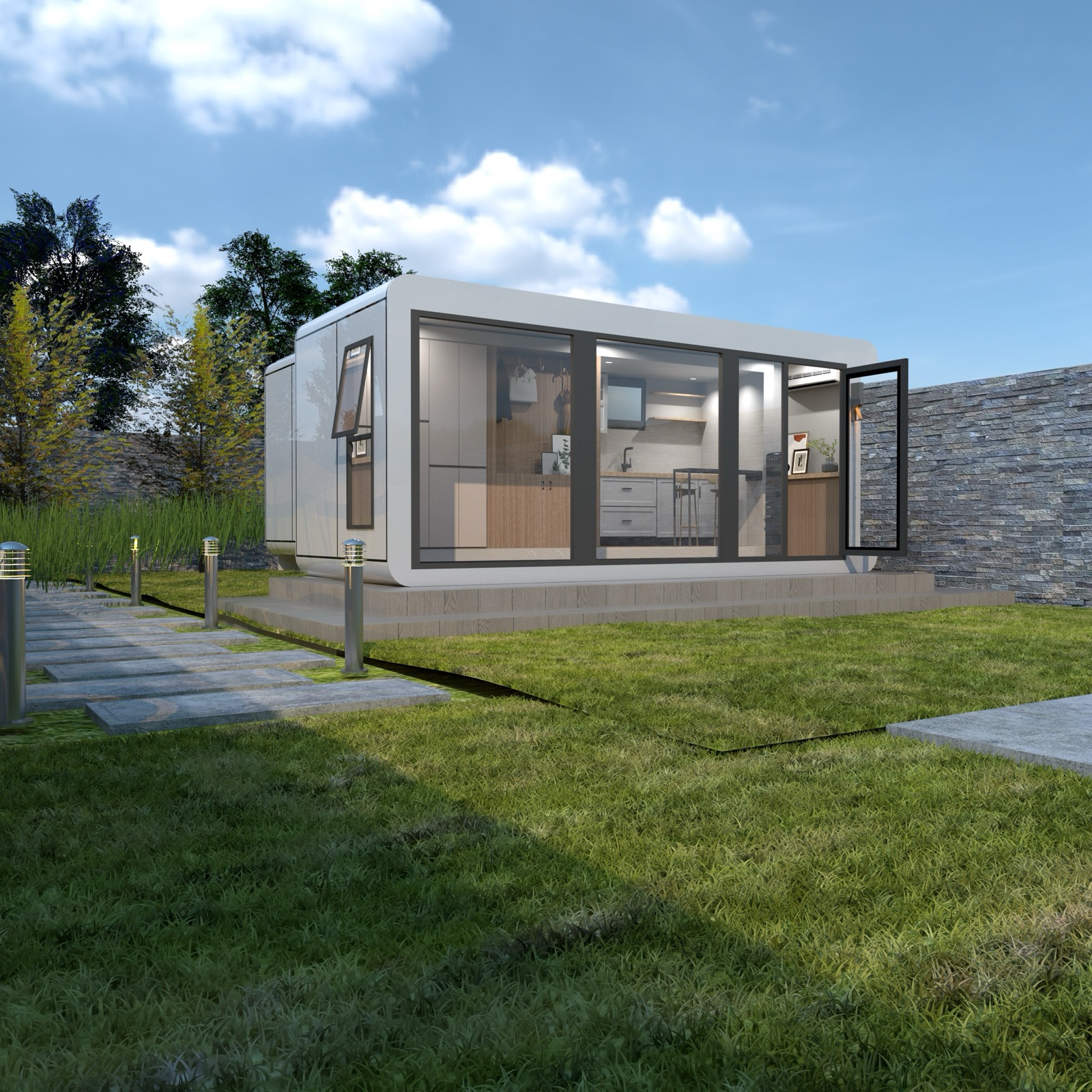
Innovative designs like The Magic Box Apple Cabin exemplify the fusion of sustainability with modern luxury, offering inspiration for those looking to push the boundaries of eco-friendly accommodations.

From an operational perspective, glamping pods offer impressive advantages. Their modular nature allows for scalable investment, while their premium positioning in the market enables higher rates compared to traditional camping accommodations. Moreover, the integration of sustainable technologies – from solar power systems to water conservation features – not only reduces operational costs but also enhances their appeal to environmentally conscious travelers. ecotourism


Resort Housing: A Cornerstone of Sustainable Accommodation

While glamping pods provide an innovative solution for nature-immersive experiences, sustainable resort housing plays an equally crucial role in the eco-tourism ecosystem. These developments demonstrate how traditional accommodation models can be reimagined through an environmental lens, incorporating everything from renewable energy systems to water conservation technologies while maintaining high standards of comfort and service.

Resort housing in eco-tourism destinations has evolved to embrace both traditional and modern architectural approaches. Some developments showcase vernacular building techniques and local materials, creating authentic experiences that celebrate regional building traditions. Others implement cutting-edge sustainable technologies while maintaining aesthetic harmony with their surroundings. This diversity in approach allows developers to create unique properties that appeal to different market segments while maintaining strong environmental credentials.

For a deeper dive into the investment potential of resort accommodations, see our discussion on Tiny House Resort ROI, which details why developers are switching to modular units.

The success of eco-resort housing often hinges on its integration with local communities and ecosystems. By prioritizing local sourcing for materials and services, these developments create significant economic opportunities for surrounding communities. Furthermore, partnerships with local stakeholders ensure that tourism development aligns with community values and needs, creating a more resilient and sustainable business model. sustainable resort housing


Synergistic Benefits of Combined Development

When glamping pods and resort housing are thoughtfully integrated within the same development, they create powerful synergies that benefit both operators and guests. This complementary approach allows eco-tourism destinations to cater to diverse traveler preferences while maintaining consistent sustainability standards across all accommodation types. The resulting ecosystem of options enhances the overall visitor experience while optimizing operational efficiency.

The strategic combination of these accommodation types enables developers to maximize land use efficiency while minimizing environmental impact. Shared infrastructure systems, from renewable energy installations to water treatment facilities, become more cost-effective when serving multiple accommodation types. This integrated approach also allows for more effective visitor management, reducing pressure on sensitive natural areas while maintaining high-quality experiences for all guests.

Perhaps most importantly, this combined approach creates multiple revenue streams while distributing economic benefits more broadly throughout local communities. From entry-level positions in resort operations to specialized roles in guided experiences and glamping services, the diversity of employment opportunities helps create a more resilient local economy. synergistic benefits


Market Potential and Future Outlook

The market for sustainable tourism accommodations continues to show remarkable growth potential, driven by increasing environmental awareness and changing consumer preferences. Leading eco-tourism destinations like Costa Rica, Bhutan, Norway, and New Zealand have demonstrated the viability of sustainable accommodation models, setting important precedents for future developments. sustainable accommodations

An emerging trend within the sector is the concept of regenerative travel, where tourism activities actively contribute to the restoration and enhancement of natural environments. This approach goes beyond mere sustainability to create positive environmental impact, representing the next frontier in eco-tourism development. Properties that successfully incorporate these principles often command premium prices while attracting highly engaged visitors who value authentic, sustainable experiences. regenerative travel

Investors can also learn how maximizing Airbnb investment returns through prefab homes is shaping the future of rental property investments.


Conclusion

The convergence of eco-tourism, glamping pod investment, and sustainable resort housing represents a compelling opportunity for investors and developers who wish to participate in the future of sustainable travel. By thoughtfully combining these elements, developers can create successful ventures that generate attractive returns while contributing positively to environmental conservation and community development.

As global awareness of environmental issues continues to grow, the demand for authentic, sustainable travel experiences will only increase. Those who invest in well-planned, environmentally responsible accommodation solutions today position themselves at the forefront of this transformative industry. The key to success lies in maintaining a balanced approach that honors the principles of eco-tourism while creating memorable experiences for guests and sustainable benefits for local communities.

For further exploration of the evolving eco-tourism landscape, check out our article on the Future of Eco-Tourism, which examines innovative prefab campsite developments.

The future of travel is undoubtedly green, and the combination of glamping pods and resort housing within the eco-tourism framework provides a proven model for sustainable development. For investors, developers, and entrepreneurs, the time to engage with this growing sector is now, as the world increasingly embraces travel experiences that protect and enhance our natural world for future generations.