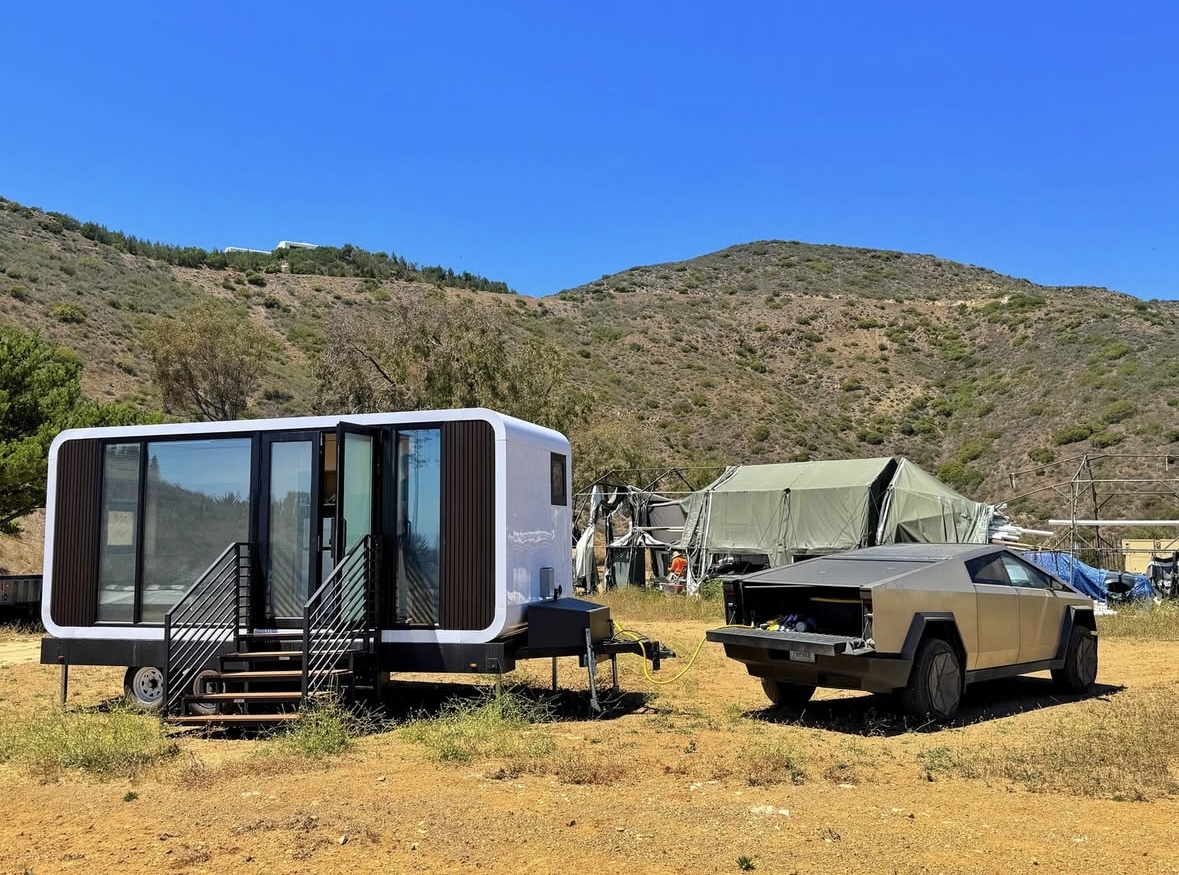
Dealer & Partner Program

Sell Certified Tiny Homes.
Factory Direct.

Magic Box is one of the only Chinese-manufactured tiny home brands with genuine third-party ANSI 119.5 (NOAH+) certification — giving our dealers access to glamping resorts, RV parks, and ADU markets that other suppliers simply cannot enter.

NOAH+ / ANSI 119.5 Certification In ProgressThird-party inspection on every unit — accepted at glamping resorts, RV parks, and by lenders & insurers across the USA
🇺🇸
United StatesANSI 119.5 Certified
🇦🇺
AustraliaNCC Compliant Supply
🇳🇿
New ZealandPS1 Engineering
🇨🇦
CanadaCSA Z240 In Progress
🏕️
GlampingCluster Pricing Available
🏗️
ADU & DevelopmentEngineering Package Included

Who We Work With

Three Ways to Partner

Whether you operate a glamping resort, run a dealership, or develop property — there's a Magic Box partnership model designed for your business.

🏪

Regional Dealers & Distributors

Stock and sell Magic Box products in your region with exclusive territory options. Ideal for home improvement retailers, modular home dealers, and outdoor living specialists.

  • Exclusive regional territory options
  • Full product training & sales materials
  • Marketing co-op support
  • Display unit program available
  • Dedicated account manager
Apply as Dealer
🏗️

Developers & Builders

Source factory-direct for ADU projects, housing developments, and construction sites. We supply engineering documentation packages to simplify permitting in all target markets.

  • Engineering package included per model
  • Kit homes — no national certification needed
  • Container homes with IBC 3115 PE-ready plans
  • Volume pricing from 3+ units
  • AU & NZ structural engineering support
Start a Conversation

Why Magic Box

The Competitive Advantages Your Customers Will Ask About

Most Chinese prefab exporters offer price. We offer price plus the certifications, documentation, and support that let you sell into markets your competitors can't access.

01

ANSI 119.5 / NOAH+ Certification

One of the only Chinese manufacturers with genuine third-party ANSI 119.5 certification — not self-declared compliance. This opens glamping resorts, RV parks, and lender-backed sales that remain closed to uncertified competitors.

02

Engineering Documentation Included

Every container home and kit home comes with a permit-ready engineering package. Your clients spend less time and money on approvals — that's a genuine selling point you can quote.

03

Factory-Direct Pricing

30+ unit monthly capacity from our Yantai factory means competitive pricing without distributor markups. Your dealer margin is built in from the start, not squeezed out.

04

Founder-Led Quality Control

Our founder is a former Texas glamping operator who built and ran her own site. She knows what fails in the field. Every product decision reflects real-world operator experience, not just factory defaults.

05

Multi-Market Certification Roadmap

We are actively pursuing certification across US, AU, NZ, and CA — giving our dealers a long-term supply partner with documented compliance pathways in every target market.

Our Certification Status

We publish our certification status honestly. We do not claim certifications we do not hold.

ANSI 119.5 / NOAH+ — In ProgressThird-party video inspection per unit. Opens US glamping & RV park markets.
🔄
ISO 9001 — In ProgressQuality management system certification with CNAS-accredited body.
🔄
CSA Z240 (Canada) — ApplyingCanadian park model standard. Timeline: 6–12 months.
📋
NCC (Australia) — Engineering SupportAU structural engineering partner engaged for AS 1170 compliance.
< 5

Chinese THOW manufacturers with genuine third-party ANSI certification. Your customers cannot easily find an alternative.

What You'll Sell

Five Product Lines, One Factory Partner

From ANSI-certified tiny homes on wheels to permit-friendly backyard studios — a full range of products for different buyer types and markets.

🏠
ANSI 119.5 Certified

MagicSlide — Expandable THOW

Tiny house on wheels with slide-out expansion. NOAH+ certified. Opens glamping resort, RV park, and ADU markets.

From$35,000
On wheelsVIN registeredRV park compliant
🌿
Highest Growth

MagicStudio — Backyard Studio

Under 120 sqft — no building permit required in most US jurisdictions. Solar-capable. Perfect for WFH professionals, Airbnb hosts, and creatives.

From$9,900
No permit neededSolar ready3-day install
📦
Includes Eng. Package

Container Home — 20ft & 40ft

Modified shipping container homes with PE-ready engineering package included. IBC Section 3115 compliant documentation for smoother permitting.

From$28,000
Eng. package incl.ISO data plate20ft or 40ft
🔧
Easiest to Permit

MagicNest — DIY Kit Home

Light steel panel kit shipped flat-pack, assembled on-site. No national certification needed anywhere. Ideal for AU and NZ markets where housing costs are extreme.

From$18,000
No cert neededShips flat-packAU/NZ ready
🏡
Premium

MagicPod — Modular Home

Fully furnished modular dwelling. Best suited to AU and NZ markets where NCC applies nationally. Guest house, granny flat, and ADU applications.

From$32,000
Fully furnishedAU/NZ focusedADU ready

Active Markets

We Support Dealers in Four Countries

Each market has different certification requirements. We handle the compliance complexity so you can focus on selling.

🇺🇸

United States

ANSI 119.5 certified opens glamping resorts, RV parks, and lender-backed sales. Backyard studios under 120sqft require no permit in most jurisdictions.

  • THOW with NOAH+ certification
  • Backyard studio — no permit needed
  • Container homes with IBC 3115 docs
  • Focus: TX, FL, CA glamping operators
🇦🇺

Australia

No tariffs on Chinese products. NCC applies nationally. ADU laws relaxed in 2025. Strong demand driven by housing affordability crisis.

  • Kit homes — NCC via local builder
  • Container homes — NCC + AU engineer
  • Modular homes — NCC national std.
  • Focus: QLD, NSW, VIC ADU market
🇳🇿

New Zealand

Same shipping route as Australia. Local builds cost NZD $154,000–$177,000+. Almost no certified Chinese competition. Significant price gap opportunity for dealers.

  • PS1 structural engineering support
  • Kit homes — lowest entry barrier
  • Dealer partner: Dracon International
  • Focus: Auckland, Wellington, Christchurch
🇨🇦

Canada

CSA Z240 certification application in progress (6–12 months). Container homes are simpler — local engineering only, no CSA needed. Significant opportunity for forward-thinking dealers.

  • CSA Z240 in progress for THOWs
  • Container homes — local eng. only
  • Kit homes — NBC via local builder
  • Focus: BC, Ontario, Alberta markets

The Numbers That Matter

Your Clients' ROI Story

For glamping operators, the math on a Magic Box cluster purchase is exceptionally compelling. Here is what you can show a resort operator when presenting a 10-unit proposal.

$150–$250

Average nightly glamping rate per cabin in the US (2025)

70%

Average occupancy rate at established glamping resorts

<6 mo

Typical payback period for a 10-unit glamping cluster at average rates

15%

US glamping market CAGR — growing to $1.3B by 2029

10-Unit Glamping Cluster — Annual Revenue Model

Based on MagicSlide THOW at $35,000/unit with cluster pricing

Unit cost (10 units × $35K, –15% cluster)$297,500
Nightly rate (conservative $150)$150 / night
Occupancy (70% × 365 days × 10 units)2,555 nights
Gross annual revenue$383,250
Estimated payback period< 12 months
At $250/night$638,750 / year

How It Works

From Application to First Sale

We have streamlined the onboarding process so you can start selling within weeks, not months.

1

Apply & Qualify

Complete the form below. Our team reviews your market, customer base, and goals. Response within 48 hours.

2

Product & Pricing Briefing

Video call with our team — full product catalogue, wholesale pricing, and market-specific compliance overview.

3

Agreement & First Order

Sign dealer agreement. Place first order. We provide all sales collateral, spec sheets, and marketing materials.

4

Ongoing Support

Dedicated account manager. Engineering package support per project. Regular product updates as new lines launch.

Common Questions

Dealer FAQ

What is the minimum order quantity?

For dealer accounts, the minimum is typically 1 unit to start, with volume pricing available from 3+ units and cluster pricing (15% off) from 5+ units. Glamping operators with a specific site project can discuss bespoke terms.

How does the ANSI 119.5 certification work?

We are completing NOAH+ certification, which covers both ANSI 119.5 and IRC dwelling codes. Every unit undergoes a third-party video inspection during manufacturing. Each certified unit receives a NOAH seal and digitised inspection record — accepted by glamping resorts, RV parks, and insurance underwriters across the US.

What support do I get for permitting in my market?

Container home and kit home models come with a permit-ready engineering package that your clients can take directly to their local PE engineer. For Australian and New Zealand dealers, we have structural engineering partners who provide compliant documentation per model.

What is the lead time from order to delivery?

Standard production lead time is 45–75 days from confirmed order. Shipping transit adds 25–35 days to the US, or 18–28 days to Australia and New Zealand. We work with established freight partners in all target markets.

Can I see a unit before committing?

We can arrange virtual factory tours and have reference customers in multiple markets who are open to site visits. Contact us and we will facilitate introductions appropriate to your target market and product interest.

Are your products suitable for the Australian and NZ market without modification?

Our Australia-bound units are specified for AS 1170 wind loads, 100mm PU insulation panels (NatHERS compliant), and shipped with timber heat-treatment (HT) certificates for AQIS biosecurity. Final electrical and plumbing connections are completed by local licensed trades on-site.

Do you offer exclusive territory arrangements?

Yes, for committed regional dealers who meet agreed volume thresholds, exclusive territory arrangements are available in both the US (by state) and internationally (by country or region). Discuss during your initial briefing call.

What products require no building permit?

Our MagicStudio backyard studio, at under 120 sqft with no permanent plumbing or grid-tied electrical, requires no building permit in most US jurisdictions. Always recommend that clients verify local rules — regulations vary by municipality and HOA.

Apply Now

Start Your Dealership Application

Complete the form and our team will respond within 48 hours with a company profile, product catalogue, and wholesale pricing sheet.

What you'll receive

After submitting your application, you'll get:

  • 📋
    Full product catalogue with wholesale pricing across all five product lines
  • 📊
    Market-specific compliance overview for your country (US, AU, NZ, or CA)
  • 🏕️
    Glamping ROI calculator and sample project financials (for hospitality applicants)
  • 📐
    Sample engineering package for container home and kit home products
  • 📞
    Scheduled call with our founder — former Texas glamping operator and ex-Amazon SDE

Dealer Enquiry

Due to high volume, our team responds within 48 hours. For urgent enquiries email sales@magicboxtinyhouse.com with subject: Dealership.

The more detail you provide, the more tailored our response will be.

By submitting you agree to our Privacy Policy. We do not sell or share your information.

Home
Tiny Houses by Location
California

Location Guide — California

Tiny Houses for Sale in California: ADU Laws, Models & Delivery (2026)

California has rewritten its housing rulebook. Here’s exactly what that means for prefab tiny home buyers, ADU investors, and builders in 2026.

By MagicBox Editorial Team

Updated June 2026

8 min read


Section 01
California Market

Tiny House Living in California: Why It’s Growing Fast

California’s housing affordability crisis is no longer a slow-burn story — it’s a front-page emergency. The median home price in California crossed $800,000 in 2024, and rents in San Francisco, Los Angeles, and San Diego rank among the highest in the United States. Against that backdrop, the prefab tiny house is no longer a lifestyle curiosity. It’s a financially rational decision.

Three forces are accelerating California’s tiny house market simultaneously. First, state-level ADU legislation — including SB 9, AB 68, and AB 2221 — has stripped local governments of most of their ability to block backyard dwellings. Second, a new generation of ANSI-certified factory-built homes can now qualify as permanent ADUs under California’s building code, unlocking financing options that were previously unavailable. Third, the Airbnb short-term rental market across Southern California and the Central Coast has proven that a well-placed tiny home can generate serious income. We have the numbers to prove it — see our Airbnb ROI on California tiny homes analysis.

California also leads the United States in ADU permit applications. According to the California Department of Housing and Community Development, the state issued over 23,000 ADU permits in 2023 alone — nearly double the total from 2020. Prefab and factory-built units are grabbing an increasing share of those permits because they’re faster to install and easier to finance than stick-built backyard cottages.

$800K+
Median CA home price (2024)
23,000+
ADU permits issued in CA (2023)
2× faster
Prefab ADU install vs. stick-built

California is part of MagicBox’s growing tiny houses by location delivery network. Factory-direct shipping from our ISO-certified plant in Yantai, China reaches the Port of Los Angeles and the Port of Long Beach in approximately 18–22 transit days, with overland delivery arranged on arrival.

Section 02
Legal Framework

California ADU Laws in 2026 (Plain Language)

California has passed more ADU-friendly legislation in the past five years than the previous four decades combined. For tiny house buyers, the key bills to understand are AB 68, SB 9, and AB 2221. Here’s what each one means in practice — no legal jargon.

AB 68 (2019) — The Baseline Unlock

Assembly Bill 68 eliminated most local setback rules, owner-occupancy requirements, and minimum lot size thresholds that had historically blocked ADU applications. Under AB 68, California municipalities can no longer deny an ADU permit on a single-family lot simply because of zoning. This is the foundation that makes prefab ADUs viable statewide.

SB 9 (2022) — Lot Splitting & Two-Unit Allowance

Senate Bill 9 went further: it allows homeowners in single-family zones to split their lot into two parcels and build a primary dwelling plus an ADU on each. In practice, a California homeowner with a standard 6,000 sq ft lot can now legally develop up to four housing units — two per resulting parcel. For investors, this transforms a single residential lot into a small income portfolio. Our complete prefab ADU guide covers SB 9 strategy in detail.

AB 2221 (2022) — Junior ADU & Height Rules

Assembly Bill 2221 standardized height allowances for detached ADUs — up to 16 feet for single-story units — and clarified that junior ADUs (JADUs) under 500 sq ft do not require separate utility connections. It also restricted cities from imposing design standards that would “unreasonably increase” cost or reduce the number of ADUs that could be built. In short, it closed the loopholes that some municipalities were still using to slow ADU development after AB 68.

Critical for buyers: ANSI A119.5 certification is the standard that California’s HCD uses to evaluate factory-built housing for permanent ADU placement. Without ANSI A119.5, a tiny home on wheels is treated as a recreational vehicle — not a permitted dwelling. All MagicBox units are ANSI A119.5 certified, making them eligible for permanent ADU permitting under California law. For the full state-by-state breakdown, see our 2026 ADU regulations guide.

Bill / RuleWhat It ChangedImpact for Prefab Buyers
AB 68 (2019)Eliminated most local zoning barriers to ADUsAny single-family lot in CA can now host an ADU
SB 9 (2022)Allowed lot splits + two units per parcelInvestors can legally build 2–4 units on one lot
AB 2221 (2022)Standardized ADU height limits + JADU rulesEliminates local design-standard roadblocks
AB 1033 (2024)Allows ADU to be sold separately from main homeADU becomes a sellable asset, not just rental income
ANSI A119.5Federal HUD/California HCD quality standardRequired for permanent ADU permitting in CA
Title 24 Energy CodeCalifornia energy efficiency requirementsFactory insulation + windows must meet CA standards

Section 03
Placement Rules

Where Can You Place a Tiny House in California?

Placement rules vary depending on whether your tiny home is classified as a Tiny House on Wheels (THOW) or a factory-built ADU. The distinction matters enormously for what permits you’ll need and where you can legally live in the structure.

Factory-Built ADU (Permanent Placement)

A factory-built unit with ANSI A119.5 certification can be permitted as a permanent ADU on any single-family residential lot in California, thanks to AB 68. The unit is placed on a permanent foundation, connected to utilities, and treated like any other accessory dwelling for tax and zoning purposes. This is the most stable and financeable path for California buyers.

Tiny House on Wheels (THOW)

California does not have a unified statewide permit category for THOWs as permanent dwellings. However, several counties — including Fresno, Lake, and Humboldt — have created specific THOW ordinances that allow legal placement on private land with hookups. In unincorporated areas of many rural counties, enforcement is limited and THOWs are placed with minimal friction. DOT-approved towing compliance is required for any THOW that moves on California roads.

Glamping & Short-Term Rental Parks

California’s exploding glamping market has created a third pathway. Agricultural land (Williamson Act parcels), designated campground properties, and resort-zoned land can all host tiny structures for short-term rental without the same permitting burden as residential ADUs. This is particularly active in Napa, Sonoma, Big Sur, and the Eastern Sierras. MagicBox has supplied multiple glamping operators in this model — contact us for B2B pricing.

1

Determine land classification — residential lot, rural/ag land, or resort-zoned. Each path has different permit requirements.
2

Check local ordinance — even with state law, your city or county may have specific setback or utility connection rules that apply within the state framework.
3

Confirm ANSI certification — if pursuing permanent ADU permitting, verify your unit carries ANSI A119.5. All MagicBox models do.
4

Foundation & site prep — factory-built ADUs require a concrete slab or pier foundation. See our site prep guide for California-specific soil and seismic considerations.
5

Apply for permit — submit the HCD factory-built housing approval letter along with your site plan. Processing times vary: Los Angeles averages 4–8 weeks; smaller counties can be faster.

Section 04
Active Markets

California’s Best Cities for Tiny House Living

Not all California markets are equal. ADU permit approval times, local contractor familiarity, and short-term rental demand vary significantly city by city. Here’s where the action is in 2026.

Los Angeles
High Demand
LA’s Standard Plan ADU program (launched 2020) offers pre-approved ADU designs that slash permit time to under 30 days. The city has processed more ADU permits than any other California municipality. Strong Airbnb demand makes LA one of the top ROI markets in the state. Lot sizes in neighborhoods like Eagle Rock, Highland Park, and Sylmar are ADU-friendly.

San Diego
High Demand
San Diego’s mild climate, military rental demand (MCAS Miramar, Naval Base San Diego), and proximity to the Mexican border create a unique rental market. The city’s Complete Communities ADU incentive program offers fee waivers for affordable ADUs. North County San Diego — Escondido, Vista, Santee — offers larger lots and easier placement.

Sacramento
Growing Fast
Sacramento’s relative affordability compared to the Bay Area has made it a magnet for remote workers — and ADU investors. The city has simplified its ADU permitting process significantly since 2022. Elk Grove, Roseville, and Folsom within the metro offer suburban lots with strong rental demand and lower construction costs than coastal markets.

Bay Area
Premium Market
The Bay Area is California’s highest-cost market — and that creates extraordinary ADU ROI. A well-placed 400 sq ft ADU in Oakland, San Jose, or Berkeley can rent for $1,800–$2,500/month. Lot size constraints and historic preservation rules in some neighborhoods require careful site selection, but the income upside is unmatched in California.

Palm Springs / Coachella
Top Airbnb ROI
Palm Springs is one of the most permissive short-term rental markets in California, actively welcoming vacation rental properties. Tiny house glamping resorts in the Coachella Valley and Joshua Tree corridor are a growing segment. Desert climate is ideal for MagicBox aluminium frames — no corrosion, no termites, extreme temperature performance.

Fresno / Central Valley
Budget-Friendly
Fresno County has its own THOW ordinance — one of the most explicit in California — allowing tiny homes on wheels on private residential land. Land costs in the Central Valley are a fraction of coastal prices, making it the most accessible entry point for first-time tiny house buyers in the state.

Section 05
Cost Breakdown

Tiny House Costs in California vs. National Average

California has a cost premium on almost everything related to construction — labor, permits, site prep, and utility connections all run higher than the national average. Understanding where those costs land helps you build an accurate budget before you commit.

Cost ItemNational AverageCalifornia RangeNotes
Factory-built tiny home (unit only)$45,000–$95,000$45,000–$95,000MagicBox ships direct — no CA dealer markup
ADU permit fees$1,500–$5,000$3,000–$12,000LA, SF highest; rural counties lowest
Foundation (concrete slab)$4,000–$8,000$6,000–$14,000Seismic requirements add cost in CA
Utility connections (electric, water, sewer)$5,000–$12,000$8,000–$25,000Higher in urban areas; rural well/septic varies
Site prep & grading$2,000–$6,000$3,000–$10,000Fire-zone clearance may add cost
Shipping (Port of LA to site)N/A$2,500–$5,500Depends on distance from port
Total all-in estimate$60,000–$130,000$75,000–$165,000vs. $800K+ median CA home price

One key advantage of buying factory-direct from MagicBox: you eliminate the California dealer or contractor markup that typically adds 15–25% to the unit cost when purchasing from a local builder. Our aluminium frame construction also skips the termite treatment costs that California’s climate makes mandatory for wood-frame structures — a recurring expense that adds up over time. See our full tiny house cost guide for a model-by-model price breakdown.

Financing note: ANSI A119.5 certification opens access to personal property loans (chattel loans) and, in some cases, traditional mortgage financing when the unit is placed on a permanent foundation as an ADU. California’s ADU financing programs — including CalHFA’s ADU Grant Program — may also offset permit and connection costs for income-qualified homeowners.

Section 06
MagicBox for California

MagicBox Models for California Buyers

Every MagicBox unit is built in our ISO-certified factory in Yantai, China and carries ANSI A119.5 certification — the specific standard California’s HCD uses to approve factory-built housing for permanent ADU placement. That certification isn’t a sticker; it means our structural, electrical, plumbing, and energy systems have all been independently verified to meet or exceed the standard. For California buyers, that translates directly into an easier permit application and broader financing eligibility.

Our 6063 aluminium frame is particularly well-suited to California conditions. It’s non-corrosive (relevant for coastal buyers in San Diego, the Bay Area, and Santa Barbara), termite-proof (critical in Southern California where termite damage costs homeowners an estimated $1.5 billion annually), and laser-cut for dimensional precision that eliminates the air leaks common in site-built or lower-quality prefab construction.

Recommended Models for California
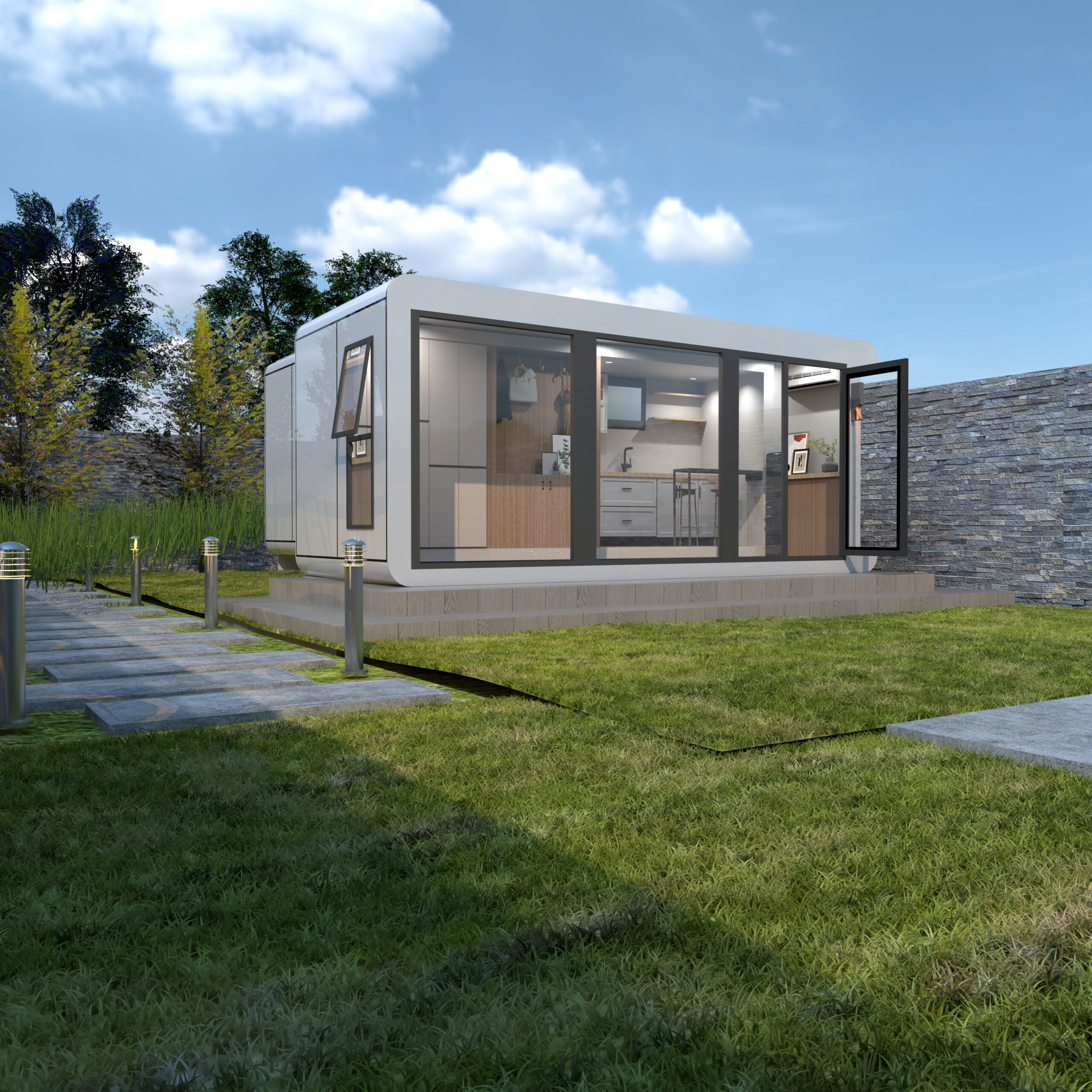

MagicSlide expandable tiny house — California ADU

MagicSlide (Expandable)
Top Pick for ADU
Ships in a compact transport footprint and expands on-site to full living width — ideal for California urban lots where crane or truck access is limited. Slide-out sections add living and sleeping area without increasing the transport envelope. ANSI A119.5 certified.

View MagicSlide →


Magic-Nordic tiny house — Bay Area and NorCal

Magic-Nordic
Best for Bay Area / NorCal
Clean Scandinavian aesthetic suits California’s design-forward markets. Larger window packages provide natural light and ventilation suited to the Bay Area’s mild climate. Available as a two-bedroom configuration, making it competitive with stick-built ADUs in terms of usable square footage.

View Magic-Nordic →


MagicNest-Polar tiny house — California mountains and desert

MagicNest-Polar
Mountain / Desert Ready
Designed for temperature extremes — Big Bear, Mammoth, Tahoe, and the high desert. Upgraded insulation and triple-glazed windows handle both desert summer heat and Sierra Nevada winters. Strong short-term rental performer in mountain resort markets.

View MagicNest-Polar →

All models are available as panelized DIY kits (flat-pack delivery, owner assembly) or fully assembled turnkey units. For California ADU permitting, we recommend the turnkey option with our HCD factory-built approval documentation package — it simplifies the permit submission significantly. View the full range at our models page.

Section 07
Logistics

Shipping & Delivery to California

MagicBox ships factory-direct from Yantai, China to California ports — no middleman, no US distributor markup. Transit time to the Port of Los Angeles or the Port of Long Beach is typically 18–22 days by sea freight. From there, we coordinate overland delivery to your California site through our logistics partners.

Our complete shipping to California process guide covers every step — from factory inspection and export documentation through US Customs clearance and final delivery. Key points for California buyers:

Entry Port
Los Angeles / Long Beach
Two of the busiest container ports in the United States. Most California deliveries route through one of these, reducing overland distance and cost for buyers in Southern California, the Central Valley, and the Bay Area.

Customs & Import
Buyer Responsibility
Import duties, customs brokerage, and US port fees are the buyer’s responsibility. We provide complete factory documentation — HTS codes, material specs, certification letters — to streamline clearance. Our team assists with paperwork preparation. See our importing prefab homes from China guide for duty rate details.

Overland Delivery
Included in Quote
We provide overland delivery quotes within California as part of our full pricing package. Flat-pack panelized kits ship on standard flatbed trucks. Assembled units may require a wide-load permit for California highway travel — this is coordinated through our logistics partner and is standard practice for modular home delivery in the state.

California’s wildfires have created WUI (Wildland-Urban Interface) zones where specific exterior cladding and ember-resistant vent standards apply. If your site is in a WUI zone, let us know during the quote process — we can configure exterior finishing to meet California’s Fire Hazard Severity Zone requirements.

Common Questions

Frequently Asked Questions: Tiny Houses in California

Is a tiny house legal in California?

Yes — but legality depends on the type of tiny home and where you place it. A factory-built tiny home with ANSI A119.5 certification can be permitted as a permanent ADU on any single-family lot in California under AB 68. Tiny Houses on Wheels (THOWs) occupy a different legal category: some counties have THOW-specific ordinances (Fresno County being the most notable), while others treat them as RVs subject to campground regulations. Short-term rental use on resort-zoned or agricultural land follows a separate path entirely. See our 2026 ADU regulations guide for a complete state-by-state breakdown.

What does ANSI A119.5 certification mean and why does California care?

ANSI A119.5 is the American National Standard for factory-built housing — it covers structural integrity, electrical systems, plumbing, and energy performance. California’s Department of Housing and Community Development (HCD) uses ANSI A119.5 as the baseline quality standard for approving factory-built units as permanent ADUs. Without it, your tiny home is classified as a recreational vehicle and cannot receive a residential permit. All MagicBox models carry ANSI A119.5 certification, which means our HCD approval letter can go directly into your permit application package.

Can I put a tiny house in my backyard in Los Angeles or San Francisco?

Yes — both Los Angeles and San Francisco now allow ADUs on single-family lots under California state law. Los Angeles has gone further than most cities with its Standard Plan ADU program, which pre-approves certain designs for sub-30-day permit processing. San Francisco has more complex requirements due to historic preservation rules in some neighborhoods, but state law overrides local obstacles for compliant factory-built units. Setback requirements (typically 4 feet from rear and side property lines for detached ADUs) and utility connection fees are the main variables to plan for. Our complete prefab ADU guide covers the Los Angeles process in detail.

How much does it cost to buy and install a MagicBox tiny home in California?

Total all-in cost for a California installation typically ranges from $75,000 to $165,000 depending on model, site conditions, and local permit fees. The unit itself (factory-direct from MagicBox) runs $45,000–$95,000 depending on size and configuration. California-specific add-ons include seismic foundation requirements ($6,000–$14,000), higher urban permit fees ($3,000–$12,000 in major cities), and utility connection costs that vary significantly between urban infill sites and rural properties. The big saving vs. local builders: factory-direct pricing eliminates the 15–25% middleman markup you’d pay through a California dealer. Request a California quote for a site-specific estimate.

What is the Airbnb income potential for a tiny house in California?

California’s short-term rental market is one of the strongest in the United States, particularly in Los Angeles, the Palm Springs desert, Big Sur, Lake Tahoe, and Wine Country. Well-positioned tiny homes in these markets can generate $35,000–$65,000 in annual Airbnb revenue based on published host data. Our own Athens, Texas property demonstrates the model — a MagicBox unit generating consistent Airbnb income with strong occupancy rates. California’s larger markets and higher nightly rates mean the ROI ceiling is even higher. Our Airbnb ROI analysis breaks down the numbers by California region.

Get Started

Get a California-Specific Quote

Tell us your California city, lot type, and intended use (ADU, Airbnb, full-time living) and we’ll put together a factory-direct price with port-to-site delivery included. No dealer markup. ANSI certified. Ships in 8–12 weeks from order confirmation.

Request a California Quote
Browse All Models