Site Prep 101: How to Prepare Your Land for a Modular
Tiny House Delivery
The Importance of a Solid Foundation
Whether permanent or portable, your home needs a stable base to prevent “settling.” The goal of site prep is to manage water drainage and ensure the weight of the house doesn’t cause it to sink into the soil over time.
According to Forbes Advisor’s guide on land preparation, proper clearing and leveling are the most critical steps to avoid long-term structural issues and unexpected drainage costs.
THOWs vs. Foundation Tiny Houses: Key Differences
For Tiny Homes on Wheels (THOWs): Flexibility First
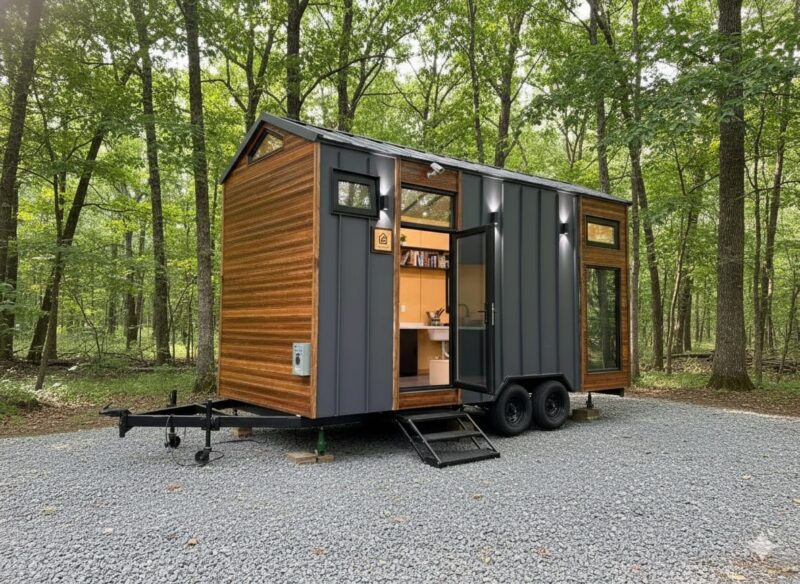
A tiny home on wheels does not require a 100% permanent foundation. Since it sits on a specialized trailer with heavy-duty jacks, you have much more flexibility.
- The “Compacted” Rule: The ground doesn’t need to be perfectly flat, but it must be compacted. A compacted gravel pad (using 3/4″ crushed stone) is the gold standard for portable tiny homes.
- Leveling with Jacks: Once delivered, we use the trailer’s built-in leveling jacks. Even if your land has a slight 3-5% grade, the house can be leveled perfectly.
For Fixed Modular Tiny Houses: Permanent Stability
If you are buying a modular unit for permanent placement, you must adhere to stricter standards. Many jurisdictions follow the ICC Appendix Q Tiny House Safety Standards, which outlines specific requirements for permanent foundations.
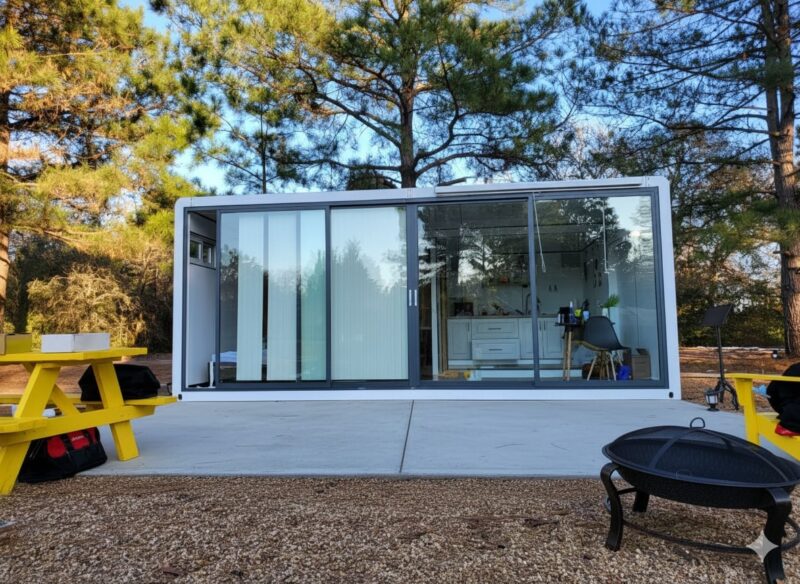
- Concrete Slab: Best for long-term stability and a “traditional” home feel.
- Pier Foundations: Ideal for sloped terrain. Concrete pillars are sunk below the frost line for a secure anchor.
Utilities: Connecting Water, Septic, and Electricity
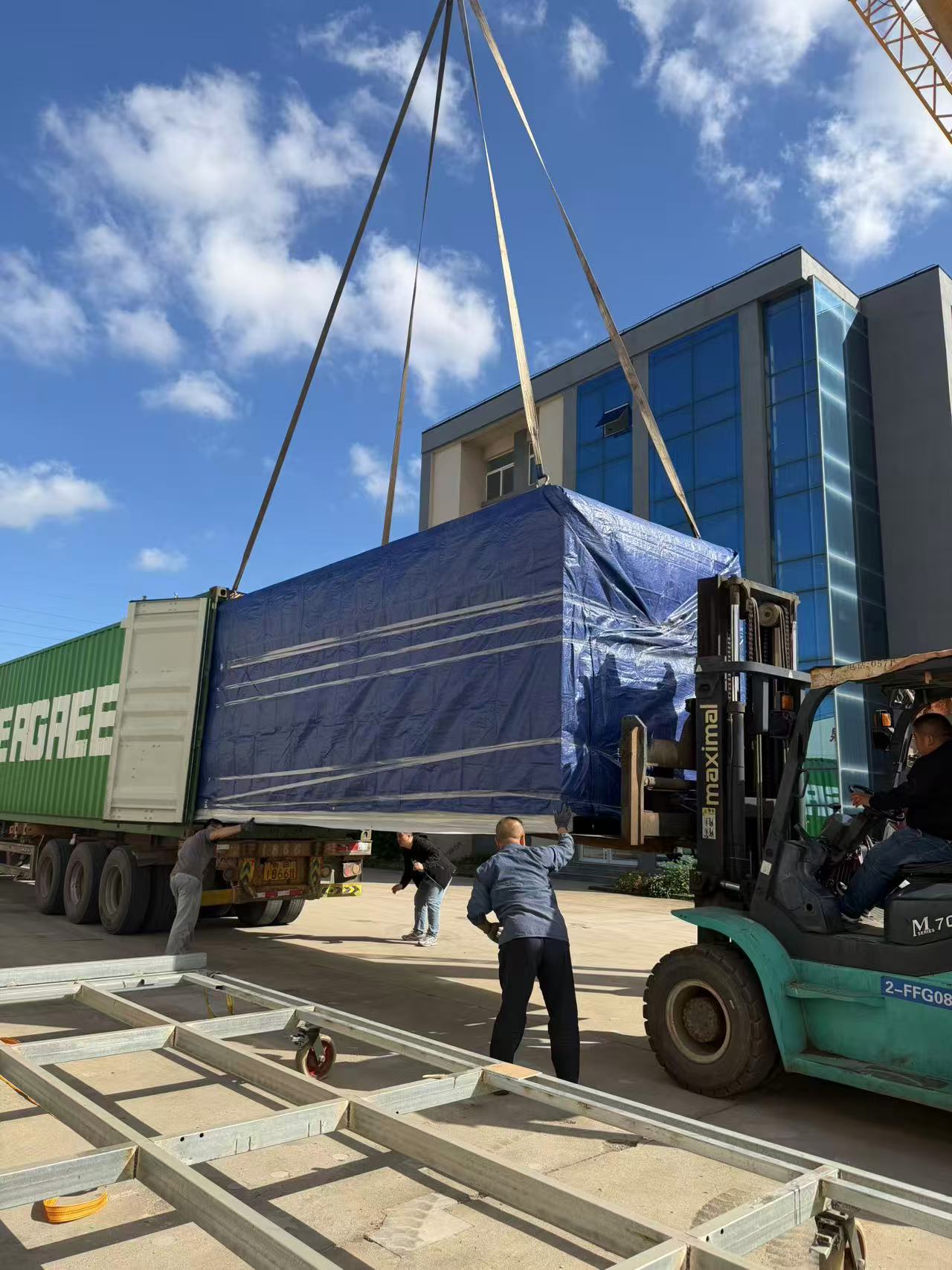
A beautiful home is only as good as its life support systems. You need to have your “stub-outs” ready before the house is craned or towed into place.
Electricity: Most tiny homes on wheels use a 30-amp or 50-amp RV-style hookup. Ensure your electrical pedestal is positioned within reach of the home’s inlet.
Water: Run a trench below the frost line to prevent freezing. We recommend high-quality PEX piping for its durability.
Septic/Sewer: Depending on your location, you may connect to a city sewer, a septic tank, or use a composting toilet system for off-grid living.
Access Requirements for Delivery Trucks
You’ve built the perfect foundation, but can the truck actually get there? This is where many DIY-ers encounter hurdles.
To ensure a successful delivery, our transport teams require specific clearances:
Width: A minimum of 12-15 feet of width clearance is usually necessary.
Height: Watch out for low-hanging tree branches or power lines. You generally need 14-15 feet of vertical clearance.
Turning Radius: Delivery trucks are long. Ensure there are no tight 90-degree turns on your driveway or access road.
Ground Firmness: The path to the foundation must be firm enough to support a heavy truck and trailer without sinking.
By following these steps, you’ll be ready to welcome your new Magic Box home the moment it arrives!