Eco-tourism: Unlocking the Potential of Glamping Pod Investment and Resort Housing
In an era where environmental consciousness meets wanderlust, eco-tourism has emerged as a transformative force in the global travel industry. This responsible approach to travel focuses on exploring natural environments while minimizing negative impacts and actively supporting conservation efforts. At the forefront of this evolution are two innovative accommodation solutions: glamping pods, which blend the authenticity of camping with luxury amenities, and sustainable resort housing, which provides eco-conscious travelers with comfortable lodging options that respect both nature and local communities.
The convergence of these accommodation types represents a pivotal moment in sustainable tourism, offering investors and entrepreneurs unique opportunities to participate in an industry that prioritizes both profit and planetary well-being. As we delve into the intricacies of these emerging markets, we’ll explore how they’re reshaping the landscape of responsible travel and creating lasting positive impact.
Understanding the Essence of Eco-tourism
Eco-tourism transcends traditional travel paradigms by creating meaningful connections between visitors and natural environments while ensuring the preservation of local ecosystems and cultures. At its core, this approach encompasses more than just environmentally conscious travel – it represents a comprehensive framework for sustainable tourism development that benefits all stakeholders involved. Eco-tourism
The principles driving eco-tourism are both straightforward and profound. By minimizing negative impacts on nature and local communities, these initiatives create a foundation for sustainable growth. Financial benefits flow directly into conservation efforts through carefully structured fee systems and guided experiences, ensuring that tourism revenue actively contributes to environmental protection. Perhaps most importantly, eco-tourism emphasizes equitable community benefits, ensuring that local populations maintain control over their cultural heritage while receiving fair compensation for their participation in tourism activities.
Research has consistently shown that successful eco-tourism creates a positive feedback loop, where conservation success attracts more visitors, generating additional funding for environmental protection and community development. This virtuous cycle has transformed numerous destinations worldwide, proving that responsible tourism can be both profitable and sustainable. eco-tourism
Investors looking to revolutionize eco-friendly living can also explore innovations such as sustainable tiny homes, which are redefining modern eco-conscious architecture.
The Rise of Glamping Pod Investment
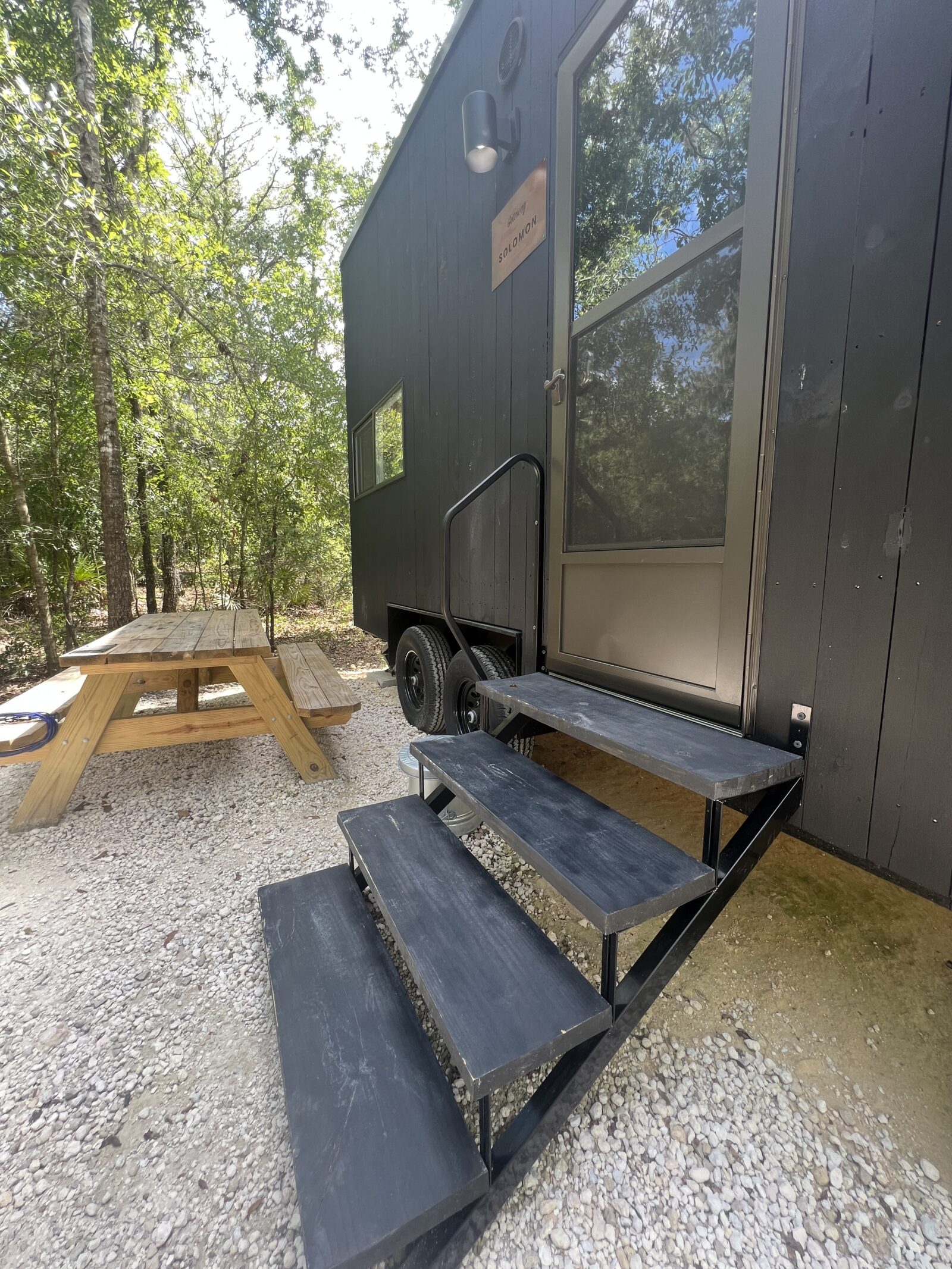
In the evolving landscape of eco-tourism, glamping pods have emerged as a revolutionary accommodation solution that perfectly balances environmental responsibility with luxury travel demands. These innovative structures represent more than just a trend – they’re a testament to how thoughtful design can minimize environmental impact while maximizing visitor experience. Glamping pods offer an intimate connection with nature without sacrificing the comforts modern travelers expect, creating a unique value proposition in the sustainable tourism market.
The investment appeal of glamping pods lies in their versatility and sustainability credentials. These structures can be strategically positioned in ecologically significant areas while minimizing environmental disruption, thanks to their relatively small footprint and adaptable design. Successful glamping pod developments prioritize environmental impact assessments, ensuring that wildlife habitats remain protected while still providing accessible nature experiences for visitors.
Innovative designs like The Magic Box Apple Cabin exemplify the fusion of sustainability with modern luxury, offering inspiration for those looking to push the boundaries of eco-friendly accommodations.
From an operational perspective, glamping pods offer impressive advantages. Their modular nature allows for scalable investment, while their premium positioning in the market enables higher rates compared to traditional camping accommodations. Moreover, the integration of sustainable technologies – from solar power systems to water conservation features – not only reduces operational costs but also enhances their appeal to environmentally conscious travelers. ecotourism
Resort Housing: A Cornerstone of Sustainable Accommodation
While glamping pods provide an innovative solution for nature-immersive experiences, sustainable resort housing plays an equally crucial role in the eco-tourism ecosystem. These developments demonstrate how traditional accommodation models can be reimagined through an environmental lens, incorporating everything from renewable energy systems to water conservation technologies while maintaining high standards of comfort and service.
Resort housing in eco-tourism destinations has evolved to embrace both traditional and modern architectural approaches. Some developments showcase vernacular building techniques and local materials, creating authentic experiences that celebrate regional building traditions. Others implement cutting-edge sustainable technologies while maintaining aesthetic harmony with their surroundings. This diversity in approach allows developers to create unique properties that appeal to different market segments while maintaining strong environmental credentials.
For a deeper dive into the investment potential of resort accommodations, see our discussion on Tiny House Resort ROI, which details why developers are switching to modular units.
The success of eco-resort housing often hinges on its integration with local communities and ecosystems. By prioritizing local sourcing for materials and services, these developments create significant economic opportunities for surrounding communities. Furthermore, partnerships with local stakeholders ensure that tourism development aligns with community values and needs, creating a more resilient and sustainable business model. sustainable resort housing
Synergistic Benefits of Combined Development
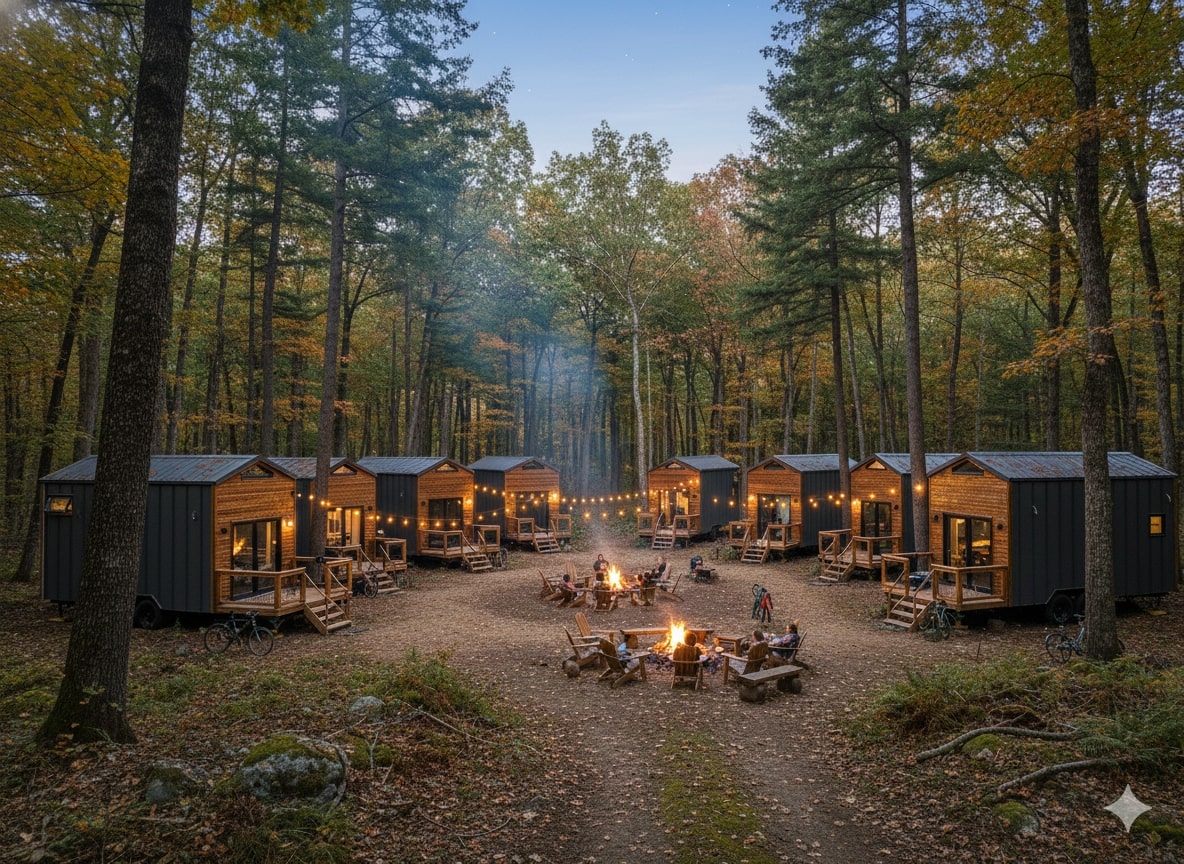
When glamping pods and resort housing are thoughtfully integrated within the same development, they create powerful synergies that benefit both operators and guests. This complementary approach allows eco-tourism destinations to cater to diverse traveler preferences while maintaining consistent sustainability standards across all accommodation types. The resulting ecosystem of options enhances the overall visitor experience while optimizing operational efficiency.
The strategic combination of these accommodation types enables developers to maximize land use efficiency while minimizing environmental impact. Shared infrastructure systems, from renewable energy installations to water treatment facilities, become more cost-effective when serving multiple accommodation types. This integrated approach also allows for more effective visitor management, reducing pressure on sensitive natural areas while maintaining high-quality experiences for all guests.
Perhaps most importantly, this combined approach creates multiple revenue streams while distributing economic benefits more broadly throughout local communities. From entry-level positions in resort operations to specialized roles in guided experiences and glamping services, the diversity of employment opportunities helps create a more resilient local economy. synergistic benefits
Market Potential and Future Outlook
The market for sustainable tourism accommodations continues to show remarkable growth potential, driven by increasing environmental awareness and changing consumer preferences. Leading eco-tourism destinations like Costa Rica, Bhutan, Norway, and New Zealand have demonstrated the viability of sustainable accommodation models, setting important precedents for future developments. sustainable accommodations
An emerging trend within the sector is the concept of regenerative travel, where tourism activities actively contribute to the restoration and enhancement of natural environments. This approach goes beyond mere sustainability to create positive environmental impact, representing the next frontier in eco-tourism development. Properties that successfully incorporate these principles often command premium prices while attracting highly engaged visitors who value authentic, sustainable experiences. regenerative travel
Investors can also learn how maximizing Airbnb investment returns through prefab homes is shaping the future of rental property investments.
Conclusion
The convergence of eco-tourism, glamping pod investment, and sustainable resort housing represents a compelling opportunity for investors and developers who wish to participate in the future of sustainable travel. By thoughtfully combining these elements, developers can create successful ventures that generate attractive returns while contributing positively to environmental conservation and community development.
As global awareness of environmental issues continues to grow, the demand for authentic, sustainable travel experiences will only increase. Those who invest in well-planned, environmentally responsible accommodation solutions today position themselves at the forefront of this transformative industry. The key to success lies in maintaining a balanced approach that honors the principles of eco-tourism while creating memorable experiences for guests and sustainable benefits for local communities.
For further exploration of the evolving eco-tourism landscape, check out our article on the Future of Eco-Tourism, which examines innovative prefab campsite developments.
The future of travel is undoubtedly green, and the combination of glamping pods and resort housing within the eco-tourism framework provides a proven model for sustainable development. For investors, developers, and entrepreneurs, the time to engage with this growing sector is now, as the world increasingly embraces travel experiences that protect and enhance our natural world for future generations.