

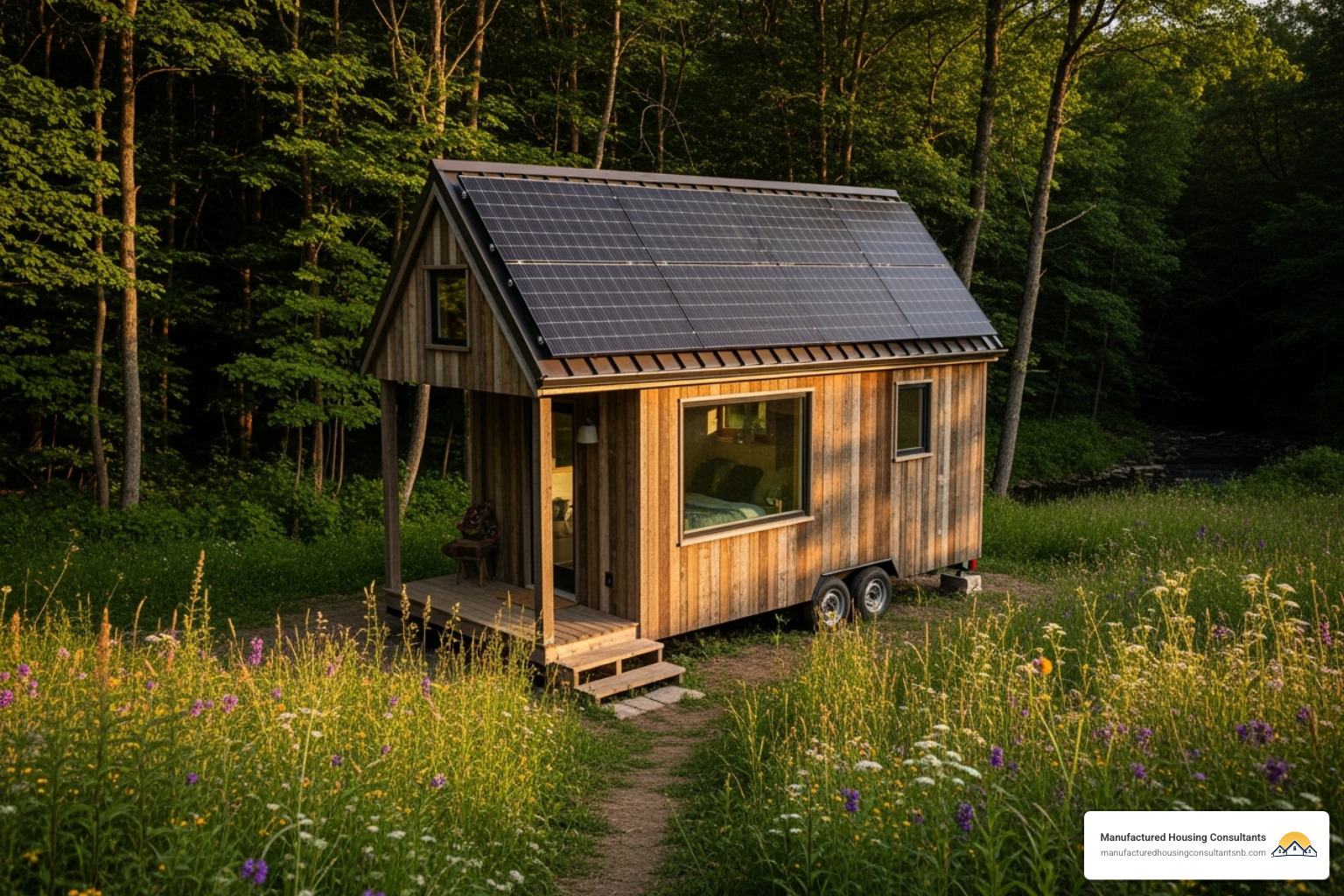
Sustainable Tiny Homes 2026: Embracing Eco-Friendly Prefab, Green Cabins & Low-Carbon Building
The landscape of sustainable living is undergoing a dramatic transformation, and sustainable tiny homes 2026 stands at the forefront of this revolution. These innovative dwellings, typically ranging from 100 to 400 square feet, represent a perfect fusion of environmental consciousness and practical living. By incorporating advanced materials, smart design principles, and cutting-edge sustainability features, these homes are redefining what it means to live both comfortably and responsibly in our changing world instantliving.com.au/sustainable-tiny-home/.
Far more than just scaled-down traditional houses, these eco-conscious residences are purposefully designed to minimize environmental impact while maximizing livability. Through the integration of low-carbon building techniques and recyclable materials, they’re proving that sustainable living doesn’t require sacrifice – it simply requires innovation. Studies show these compact dwellings consume approximately 60% less energy than their conventional counterparts, making them an increasingly attractive option for environmentally aware homeowners instantliving.com.au/sustainable-tiny-home/.
- The Evolution of Sustainable Housing: A 2026 Perspective
- The Revolution in Eco-Friendly Prefab Construction
- Green Cabins: The Future of Sustainable Living
- Pioneering Low-Carbon Building Materials and Techniques
- Making Informed Choices: A Guide for Eco-Conscious Buyers
- Conclusion
The Evolution of Sustainable Housing: A 2026 Perspective
The sustainable tiny home movement has matured significantly, driven by technological advancements that have transformed these dwellings from simple structures into sophisticated living spaces. Market analysts project continued expansion through 2033, as more individuals recognize the viability of these homes as permanent residences rather than temporary solutions instantliving.com.au/sustainable-tiny-home/.
Today’s sustainable tiny homes integrate an impressive array of features that would have seemed futuristic just a few years ago. Smart home technology now seamlessly coordinates solar power systems with energy storage solutions, while climate-responsive design elements automatically adjust to maintain optimal indoor conditions. Multi-functional furniture has evolved beyond simple space-saving solutions to become integral components of these homes’ ecosystem, transforming spaces effortlessly to serve multiple purposes throughout the day teenytinyhomes.com.au/tiny-home-storage-trends-for-2026-maximise-every-inch/.
These innovations are complemented by advanced water management systems, including sophisticated rainwater harvesting setups and next-generation composting toilets that operate with unprecedented efficiency. The integration of these systems creates truly self-sufficient living environments that minimize resource consumption while maximizing comfort and convenience instantliving.com.au/sustainable-tiny-home/.
The Revolution in Eco-Friendly Prefab Construction
The emergence of eco-friendly prefab construction methods has revolutionized how sustainable tiny homes are built. This approach, which involves manufacturing building components in controlled factory environments before on-site assembly, has transformed both the efficiency and environmental impact of home construction truformtiny.com/the-future-of-the-tiny-house-movement-sustainable-living/. For a perspective on contrasting modular approaches, check out our discussion on shipping container homes vs. prefab modular homes magicboxtinyhouse.com/shipping-container-homes-vs-prefab-modular-homes/.
In traditional construction, material waste can account for up to 30% of building costs. However, prefab methods dramatically reduce this waste through precise manufacturing processes and material optimization. The controlled environment allows for exact measurements and cuts, while standardized assembly procedures ensure consistent quality across every component. This precision not only minimizes waste but also results in superior build quality and enhanced energy efficiency instantliving.com.au/sustainable-tiny-home/.
Perhaps most importantly, eco-friendly prefab construction has made sustainable housing more accessible to the average buyer. By streamlining production processes and reducing labor costs, manufacturers can offer high-quality, environmentally responsible homes at more competitive price points. The use of recycled metal components, reclaimed wood framing, and advanced prefabricated wall panels demonstrates how modern manufacturing can support environmental goals without compromising structural integrity or aesthetic appeal.
Green Cabins: The Future of Sustainable Living
Green cabins represent the perfect synthesis of modern comfort and environmental responsibility. These thoughtfully designed structures prove that sustainable living doesn’t require sacrificing the amenities we’ve come to expect in contemporary homes. Instead, they demonstrate how smart design can enhance both comfort and environmental performance. For innovative layouts and design ideas to maximize space while keeping sustainability in mind, see our ultimate tiny house design guide magicboxtinyhouse.com/tiny-house-design-guide-2026/.
The strategic use of natural lighting and open layouts in green cabins reduces dependency on artificial illumination while creating spaces that feel larger and more welcoming than their square footage might suggest. High-performance insulation works in concert with double-glazed windows to maintain comfortable indoor temperatures year-round, while energy-efficient appliances and hybrid power systems minimize energy consumption without compromising functionality instantliving.com.au/sustainable-tiny-home/.
Water conservation features in these homes demonstrate particular ingenuity. Composting toilets alone can save up to 6,600 gallons of water annually per person, while integrated greywater systems repurpose household water for irrigation and other non-potable uses. These innovations not only reduce environmental impact but also translate to significant utility cost savings for homeowners instantliving.com.au/sustainable-tiny-home/.
Pioneering Low-Carbon Building Materials and Techniques
The materials used in sustainable tiny homes exemplify the industry’s commitment to environmental stewardship. Recycled metal roofing provides superior durability while supporting circular economy principles. Innovative shingles made from reclaimed rubber or plastics give new life to materials that might otherwise end up in landfills. Living green roofs go beyond mere aesthetics, providing natural insulation while creating habitats for local wildlife instantliving.com.au/sustainable-tiny-home/. For more on innovative construction techniques and advanced materials, learn how aluminum frame tiny houses are revolutionizing prefab homes magicboxtinyhouse.com/evolution-aluminum-frame-tiny-houses.
Solar tiles represent a particularly exciting development, seamlessly integrating energy generation into the home’s structure. These advanced materials eliminate the need for separate solar panel installations while maintaining the aesthetic integrity of the building. Similarly, the use of reclaimed and recycled wood not only reduces demand for new timber but also brings unique character and history to each home truformtiny.com/the-future-of-the-tiny-house-movement-sustainable-living/.
Construction techniques have evolved to maximize the potential of these materials. Prefab assembly methods ensure optimal material usage and minimal waste, while advanced thermal design principles reduce heating and cooling requirements. The strategic use of natural materials that sequester carbon adds another layer to these homes’ environmental benefits, creating structures that actively contribute to climate change mitigation instantliving.com.au/sustainable-tiny-home/.
Making Informed Choices: A Guide for Eco-Conscious Buyers
For those considering a sustainable tiny home, certain key factors deserve careful attention. Energy systems should be sized appropriately, with solar installations typically requiring 5-10 panels to meet daily needs of 2-8 kWh. Battery storage capacity should align with usage patterns and local climate conditions to ensure reliable power availability instantliving.com.au/sustainable-tiny-home/.
Water management systems require equal consideration. Look for homes equipped with comprehensive rainwater harvesting capabilities and efficient greywater recycling systems. The best designs can reduce water consumption by up to 50%, providing both environmental and financial benefits instantliving.com.au/sustainable-tiny-home/.
When evaluating construction materials, request detailed documentation about sourcing and lifecycle assessments. Verify that insulation meets or exceeds recommended R-values for your climate zone, and ensure windows feature double glazing for optimal thermal performance. For more guidance on what to ask and expect from your tiny house manufacturer, check out our list of critical questions for tiny house builders magicboxtinyhouse.com/questions-to-ask-tiny-home-builder/. For those looking to extend sustainable practices even further, discover how streamlined prefab methods make tiny home living even more accessible in our prefab ADU housing solution discussion magicboxtinyhouse.com/rise-of-prefab-adu-housing-crisis-solution/.
Conclusion
As we look toward 2026 and beyond, sustainable tiny homes represent more than just a trend – they embody a fundamental shift in how we think about housing and its environmental impact. By combining eco-friendly prefab construction methods, innovative green cabin design, and low-carbon building materials, these homes offer a compelling vision of future living instantliving.com.au/sustainable-tiny-home/.
The benefits extend far beyond environmental considerations. Reduced utility costs, improved indoor air quality, and the satisfaction of living in harmony with environmental principles make these homes increasingly attractive to a broad range of buyers. As climate change concerns continue to mount, the appeal of these sustainable, recyclable housing options will only grow stronger truformtiny.com/the-future-of-the-tiny-house-movement-sustainable-living/.
