The Role of 6063 Aluminum in Anti-Corrosion and Prefab Structures
Table of Contents
- What is 6063 Aluminum?
- Anti-Corrosion Properties of 6063 Aluminum
- Role of 6063 Aluminum in Prefab Structures
In the ever-evolving landscape of modern construction, 6063 Aluminum has emerged as a cornerstone material, particularly in the realms of anti-corrosion applications and prefabricated structures. This versatile heat-treatable alloy has earned its reputation through a unique combination of properties: exceptional extrudability, smooth surface finish, and remarkable resistance to corrosion. From architectural extrusions like doors and windows to sophisticated curtain walls and sunroom frames, 6063 Aluminum’s versatility makes it an invaluable choice for builders and architects alike. For additional insight on how aluminum is revolutionizing modern construction, check out The Evolution of Tiny House Construction: How Aluminum Frame Tiny Houses are Revolutionizing Prefab Homes.
In today’s construction landscape, the importance of anti-corrosion properties cannot be overstated. As buildings face increasingly harsh environmental conditions, materials that can withstand these challenges while maintaining their structural integrity become essential. This is where 6063 Aluminum truly shines, offering natural resistance to atmospheric corrosion that helps ensure the longevity of structures while minimizing maintenance requirements.
The rise of prefabricated construction has further highlighted the importance of advanced materials like 6063 Aluminum. As the industry moves toward more efficient, modular building methods, this alloy’s combination of lightweight properties and structural stability makes it an ideal choice for prefab applications. For a detailed look at prefabrication compared to other modular solutions, see Shipping Container Homes vs. Prefab Modular Homes.
What is 6063 Aluminum?
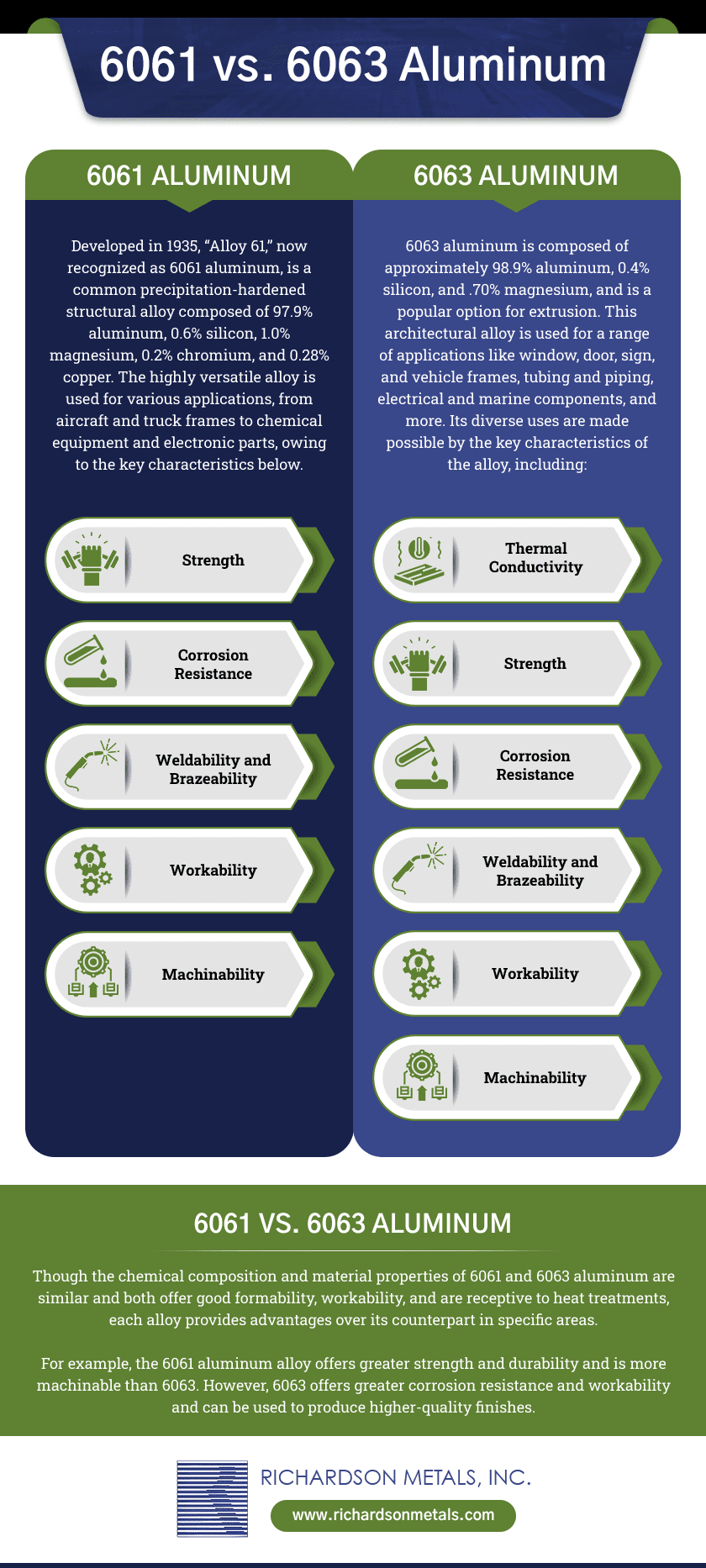
At its core, 6063 Aluminum is a carefully engineered alloy whose composition tells the story of its capabilities. The alloy consists primarily of aluminum, enhanced by 0.45-0.9% magnesium (Mg) and 0.2-0.6% silicon (Si), with carefully controlled amounts of iron, copper, and trace elements such as zirconium and nickel. This precise mixture creates a material that derives its strength through precipitation hardening, specifically through the formation of Mg₂Si compounds within the metal matrix.
The physical and mechanical properties of 6063 Aluminum set it apart in the construction industry. When heat-treated to T6 temper, it achieves tensile strengths of 210-260 MPa and yield strengths of approximately 170-214 MPa. Despite this impressive strength, it maintains a relatively low density of 2.70 g/cm³, making it ideal for applications where weight is a concern. Perhaps most notably, its exceptional extrudability allows for the creation of complex profiles while maintaining superior surface finish quality, particularly after anodizing treatments.
When compared to other aluminum alloys, 6063’s unique balance of properties becomes even more apparent. While 6061 offers slightly higher strength and is often chosen for structural applications, it can’t match 6063’s surface finish quality. The aerospace-grade 7075 alloy may boast superior strength, but its poor formability and higher cost make it impractical for architectural applications. Similarly, 5052 excels in sheet metal applications but lacks the extrudability that makes 6063 so versatile in construction.
Anti-Corrosion Properties of 6063 Aluminum
Corrosion represents one of the most significant challenges in construction, particularly for materials exposed to outdoor elements. The process of corrosion, whether through simple oxidation or more complex chemical reactions, can severely compromise both the structural integrity and aesthetic appeal of building materials. In this context, 6063 Aluminum’s natural corrosion resistance becomes particularly valuable.
The secret to 6063 Aluminum’s exceptional corrosion resistance lies in its ability to form a protective oxide layer spontaneously when exposed to air. This natural barrier effectively shields the underlying metal from further oxidation and chemical attack. The alloy’s low copper content further enhances its corrosion resistance, making it particularly resistant to atmospheric conditions, nitric acid, ammonia, and various soil environments.
While the natural oxide layer provides significant protection, modern surface treatments can enhance this inherent corrosion resistance even further. Anodizing, in particular, creates a more uniform and thicker oxide layer that not only improves corrosion resistance but also allows for decorative coloring while maintaining the metal’s natural metallic luster. Additional treatments such as powder coating or specialized cladding can provide even more protection for particularly demanding applications.
Role of 6063 Aluminum in Prefab Structures
The prefabricated construction sector has experienced remarkable growth in recent years, driven by demands for faster, more efficient building methods. Prefab structures, which involve manufacturing components off-site for later assembly, offer numerous advantages including reduced construction time, lower costs, and minimized waste. In this context, 6063 Aluminum has become an invaluable material choice.
Its excellent extrudability allows manufacturers to create precise, complex profiles that form the backbone of many prefab systems. From simple framing members to sophisticated interconnecting components, 6063 Aluminum can be formed into virtually any shape required while maintaining tight tolerances and consistent quality. For more on how modern modular solutions are compared, explore Turnkey ADU: Stress-Free Housing Solutions with Plug and Play Homes, Prefabs, and Ready-to-Move Cabins.
This versatility, combined with its natural corrosion resistance and structural stability, makes it particularly well-suited for prefabricated building elements that must withstand both transportation stresses and long-term environmental exposure. To see how prefab strategies are addressing housing challenges head on, read The Rise of Prefab ADUs: Solving the Housing Crisis in Your Backyard.
Furthermore, the global market’s demand for efficient building methods has led to innovative supply chain solutions. In this vein, understanding where and how prefab homes are sourced has become critical. For an in-depth look at the international aspects of prefab construction, check out The Ultimate Guide to Importing Prefab Homes from China: A Step-by-Step Process.