

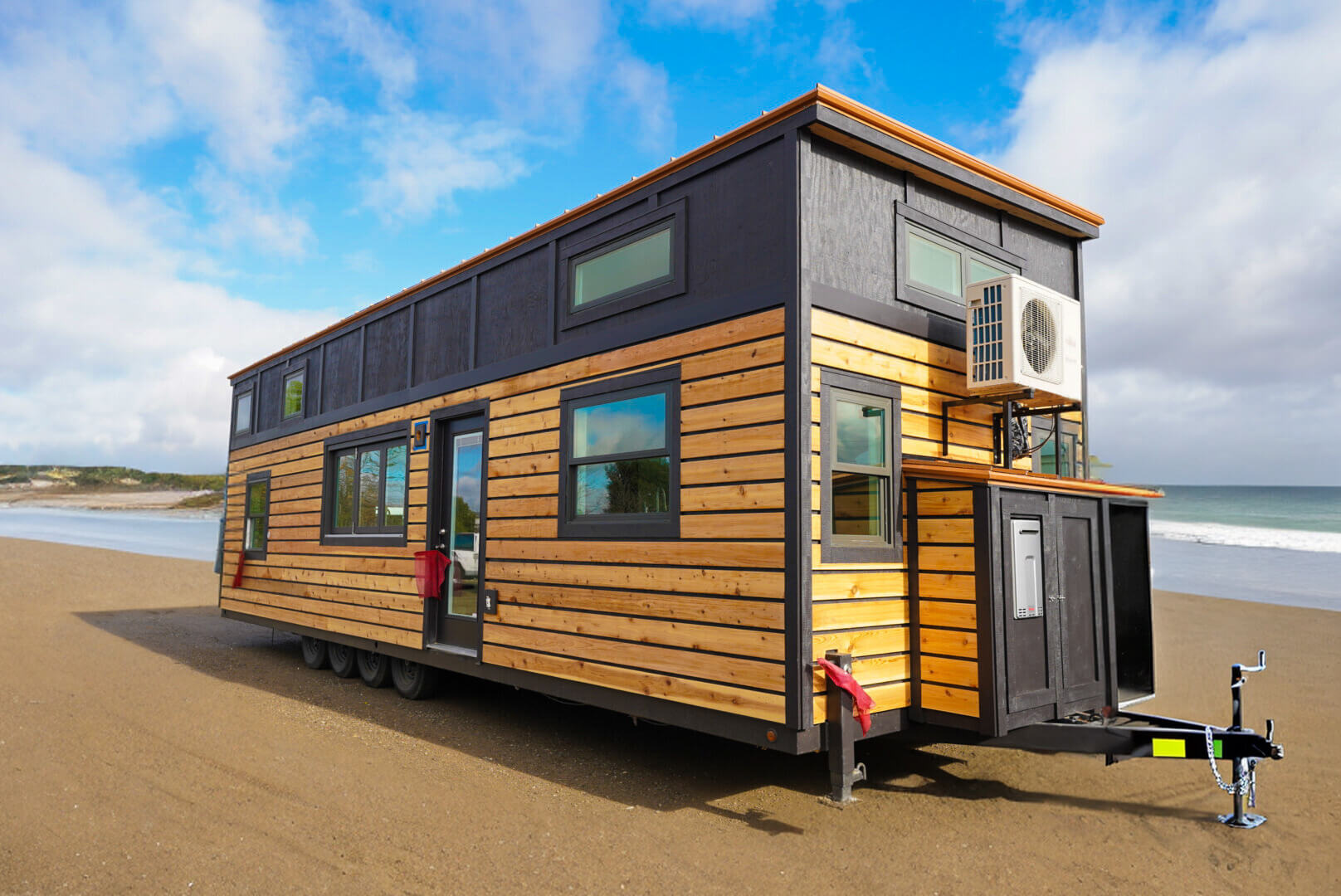
The Complete Guide to Tiny House Shells for Builders: Factory Direct Solutions for Modern Construction
Reading Time: Approximately 11 minutes
Table of Contents
The Evolution of Tiny House Construction
Understanding Tiny House Shell Types
The Wholesale Prefab Advantage
The OEM House Revolution
Local Partnerships and Market Success
Selecting the Right Supplier
The Future of Tiny House Construction
Conclusion
In today’s rapidly evolving construction landscape, tiny house shells for builders have emerged as a game-changing solution for efficient, scalable home building. These pre-engineered structures, combined with factory direct frames, are revolutionizing how local builders approach residential construction projects. For professionals in both the United States and Australia, understanding the strategic advantages of wholesale and OEM partnerships has become crucial for staying competitive in this growing market.
The tiny house movement has matured beyond its DIY roots into a sophisticated industry where precision manufacturing meets architectural innovation. By partnering with wholesale suppliers and leveraging factory direct solutions, builders can now access high-quality shells and frames that dramatically reduce construction time while maintaining exceptional standards. advantages of steel frame construction for tiny homes
The Evolution of Tiny House Construction
The modern approach to tiny house construction centers on pre-engineered shells that serve as the fundamental building block for efficient home creation. These shells represent more than just basic structures; they’re sophisticated systems designed to weather environmental challenges while providing a solid foundation for customization. For further insights on how innovative materials like aluminum are reshaping this landscape, check out the evolution of aluminum frame tiny houses. Professional builders increasingly recognize that factory-produced shells offer unprecedented precision and reliability compared to traditional on-site construction methods.
What sets these components apart is their ability to bridge the gap between mass production and custom design. Steel-framed shells, in particular, have proven instrumental in achieving this balance, offering superior structural integrity while maintaining the flexibility needed for diverse architectural styles. This combination of strength and adaptability has made them particularly attractive to builders who need to maintain consistent quality across multiple projects. a better option for quality and features
Understanding Tiny House Shell Types
When it comes to tiny house shells, builders have several options at their disposal. Steel-framed shells stand out for their exceptional durability and mobility, making them ideal for homes designed to travel. These structures can withstand the rigors of highway transport while maintaining their structural integrity, a crucial factor for builders focused on the mobile tiny home market. For ideas on innovative designs and floor plans, see tiny house design guide 2026.
A-frame styles have carved out their own niche, offering excellent roof efficiency and distinctive aesthetic appeal. These designs maximize interior space while minimizing material usage, making them particularly attractive for eco-conscious projects. Light steel modular shells represent perhaps the most versatile option, allowing for extensive customization while maintaining the benefits of factory precision. understanding the pros and cons of A-frame tiny homes
The Wholesale Prefab Advantage
The wholesale prefab model has transformed how builders approach tiny house construction. By sourcing directly from manufacturers, builders can access high-quality materials at significantly reduced costs, often seeing savings of 20-30% compared to traditional retail channels. Similar insights on modular construction can be found in shipping container homes vs prefab modular homes. This cost efficiency extends beyond mere material savings, encompassing reduced labor costs and minimized waste in the construction process. benefits of light steel frame homes
Perhaps most importantly, wholesale prefab partnerships provide builders with consistent supply chains and predictable lead times. This reliability is crucial for maintaining project schedules and managing client expectations. The factory-controlled environment ensures that each component meets exact specifications, eliminating the variability often encountered with on-site construction. Modern manufacturing facilities can maintain production even during adverse weather conditions, further reducing potential delays.
The OEM House Revolution
Original Equipment Manufacturer (OEM) houses represent a significant evolution in the tiny house industry. Unlike generic kit homes, OEM houses come with comprehensive warranties and support systems, providing builders with peace of mind and their clients with long-term security. For additional considerations when selecting a manufacturer, review questions to ask tiny home builder. These partnerships often include access to proprietary design features and construction techniques that can set a builder’s offerings apart in a competitive market.
Factory direct frames, particularly those utilizing cold-formed steel, have become the backbone of many successful tiny house operations. These frames offer remarkable customization potential while maintaining structural integrity that surpasses traditional building materials. The ability to resist rot, pests, and fire while providing superior seismic stability makes them an increasingly popular choice for forward-thinking builders. a better option for quality and features
Local Partnerships and Market Success
Success stories from both the United States and Australia demonstrate the power of local partnerships in the tiny house industry. Florida-based Movable Roots, for example, has leveraged cold-formed steel frames to create homes that have traveled over 90,000 miles while maintaining their structural integrity. This kind of durability and reliability has helped establish new standards in the mobile tiny house sector.
Australian builders have found similar success by adapting these technologies to their unique climate challenges. The combination of steel frames with local building practices has resulted in innovative hybrid designs that achieve net-zero energy goals while reducing construction waste by up to 30%. net-zero timber frame tiny homes: the future of sustainable living
Selecting the Right Supplier
Finding the right supplier requires careful evaluation of several key factors. Quality considerations should focus on material specifications, particularly regarding galvanized steel and cold-formed steel components. These materials offer superior longevity and structural integrity, crucial for maintaining reputation and customer satisfaction.
Lead time efficiency remains a critical factor in supplier selection. The best partners can demonstrate consistent production schedules and reliable delivery timeframes, essential for maintaining project momentum. Customization capabilities should also be carefully evaluated, ensuring that potential suppliers can accommodate specific design requirements without compromising quality or timeline commitments.
A comprehensive supplier evaluation should include:
- Material quality verification and testing protocols
- Production capacity and scalability assessment
- Shipping logistics and cost analysis
- Warranty terms and support infrastructure
- Compliance with local building codes and standards
- Environmental certifications and sustainability practices
The Future of Tiny House Construction
As the tiny house industry continues to evolve, the importance of strategic partnerships between builders and manufacturers becomes increasingly apparent. The integration of advanced materials, precise manufacturing processes, and efficient supply chains has created unprecedented opportunities for growth and innovation in this sector.
Conclusion
The adoption of tiny house shells for builders, particularly through wholesale prefab and factory direct channels, represents a significant advancement in residential construction efficiency. By partnering with reliable manufacturers and leveraging the advantages of pre-engineered components, builders can achieve superior quality while maintaining competitive pricing and predictable project timelines. For those ready to elevate their construction operations, the path forward is clear: investigate potential partnerships with reputable manufacturers, evaluate their offerings against your specific needs, and begin the transition to more efficient, sustainable building practices. To explore more advanced construction insights, consider reading importing prefab homes from China: a guide. The future of tiny house construction lies in these strategic relationships, offering builders the tools they need to meet growing demand while maintaining the highest standards of quality and innovation.