Section 1: Breakdown of Prefab Home Costs: Factory vs. On-Site
The construction method you choose is the single largest variable in your budget. In 2025, the industry is seeing a massive shift toward “Off-site Construction.”
The Efficiency of Factory-Built (Magic Box Prefab)
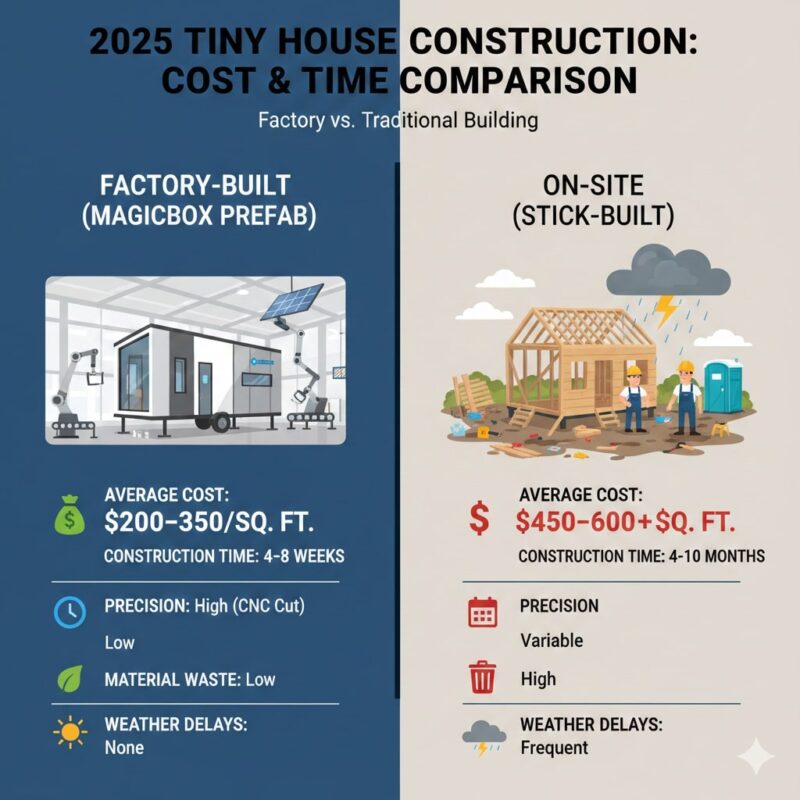
When you choose a prefab home, you are investing in a streamlined manufacturing process. At Magic Box, we use advanced engineering to minimize waste.
- Reduced Labor Cost: Since our homes are built on an assembly line, we aren’t affected by local labor shortages that drive up costs in states like California or New York.
- Precision Engineering: We use CNC-cut steel and high-grade materials that ensure every corner is perfectly square, increasing the home’s thermal efficiency.
- Average Cost: For 2025, expect to pay between $200 and $350 per square foot for a high-quality prefab unit.
The Reality of On-Site Construction (Stick-Built)
Building a tiny home on your land (stick-built) is becoming a luxury option. According to recent data from the National Association of Home Builders (NAHB), supply chain volatility and on-site management can add a 30-40% premium to the build.
- Weather Risks: Rain or snow can delay a project for months, increasing financing costs.
- Waste: Traditional builds typically waste 10-15% of materials, which the customer pays for.
- Average Cost: On-site tiny home builds in 2025 are frequently reaching $450–$600 per square foot.
Section 2: The Magic Pod – What Can You Get for Under $35,000?
Many first-time buyers are tempted by tiny house kits for sale that promise a home for $15,000. However, these are often just “shells” that require tens of thousands more in plumbing, electrical, and interior finishing.
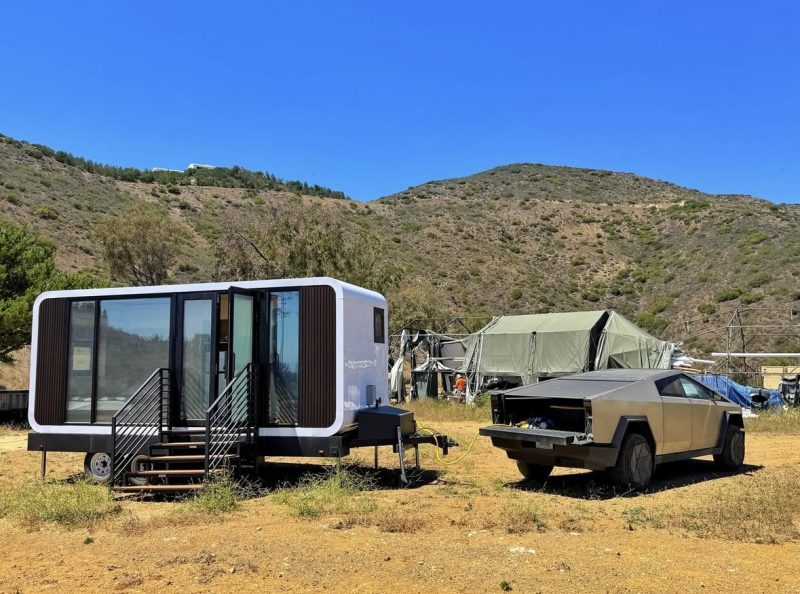
The Magic Box Difference: Our flagship Magic Pod is priced at $35,000. It is not a kit; it is a fully finished, turnkey modular unit designed for immediate occupancy.
At this price point, the Magic Pod serves several high-value use cases:
- The Backyard Office: A quiet, insulated space to boost productivity.
- The Airbnb Cash-Flow Machine: A minimalist rental that can pay for itself within 18-24 months.
- Emergency Housing: A fast, durable solution for guest accommodation.
Section 3: Premium Features that Affect Modular Home Prices
If you are looking to scale up to a full-time residential unit, your modular home cost will shift based on customization. In 2025, premium tiny homes are focusing on “Invisible Luxury”—features that make a small space feel massive.
1. Off-Grid Integration
With more people moving to rural areas, off-grid kits (solar panels, lithium battery banks, and composting toilets) are in high demand. Adding a full off-grid package can add $12,000 to $20,000 to the base price.
2. Smart Glass and Insulation
Thermal performance is critical. Upgrading to triple-pane windows or “Smart Tint” glass helps maintain interior temperatures, significantly lowering long-term utility bills.
3. High-End Interior Finishes
While the Magic Pod comes with clean, modern finishes, some owners opt for custom quartz countertops, designer hardware, or specialized storage systems (like motorized Murphy beds), which can increase the price by $10,000+.
Section 4: Hidden Costs – Shipping, Foundation, and Legalities
Budgeting for a tiny home is about more than just the house itself. You must plan for the “Total Project Cost.”
Foundation Preparation
Your tiny home needs a solid base.
- Gravel Pad: Cost-effective ($1,500 – $3,000).
- Helical Piles: Great for uneven terrain ($3,000 – $6,000).
- Concrete Slab: The most permanent solution ($6,000 – $10,000).
Shipping and Logistics
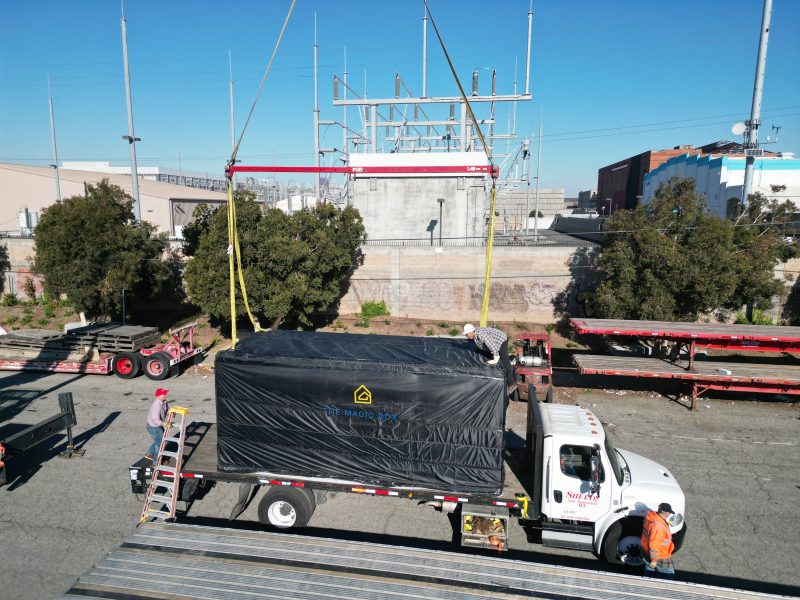
Delivery is a specialized task. Since Magic Box units are built for global standards, we optimize our designs for standard shipping containers or flatbeds to keep costs low. However, depending on your distance from our hub, budget $2,000 to $10,000 for professional delivery and crane placement.