The Ultimate Guide to Tiny House Humidity and Tiny House Ventilation: Why Aluminum Tiny Houses Excel
 The Ultimate Guide to
 Living in a tiny house is a dream for many, offering simplicity, mobility, and a lower environmental footprint. However, creating a healthy and comfortable living environment in a compact space requires careful attention to two critical factors: tiny house humility (often a common misspelling of ‘humidity’) and tiny house ventilation. Properly managing moisture and air flow is not just a detail—it’s essential for the structural integrity of your home and your personal well-being.
For builders and homeowners, the choice of materials is a fundamental decision that dramatically impacts how a home handles these challenges. While traditional wooden tiny houses are common, they present significant hurdles in moisture management. This is where modern aluminum tiny houses offer a superior, durable, and healthier alternative.
Why Tiny House Humidity Control is a Big Deal in a Tiny Space
Tiny house humility (humidity control) is crucial because the consequences of excess moisture are amplified in a small area. Every breath, shower, and cooked meal releases water vapor into the air. Without effective management, this leads to:
- Condensation on windows and cold surfaces
- Growth of mold and mildew, which can cause health issues
- Musty odors and a damp feeling
- Long-term damage to walls, insulation, and structural components
Wood, a hygroscopic material, naturally absorbs and releases moisture from the air. While this can be beneficial in some contexts, in the tightly sealed envelope of a tiny house, it can lead to problems like warping, rotting, and providing a food source for mold. This means wooden tiny houses require exceptionally diligent and continuous ventilation strategies to stay dry.
How Aluminum Tiny Houses Revolutionize Moisture Management
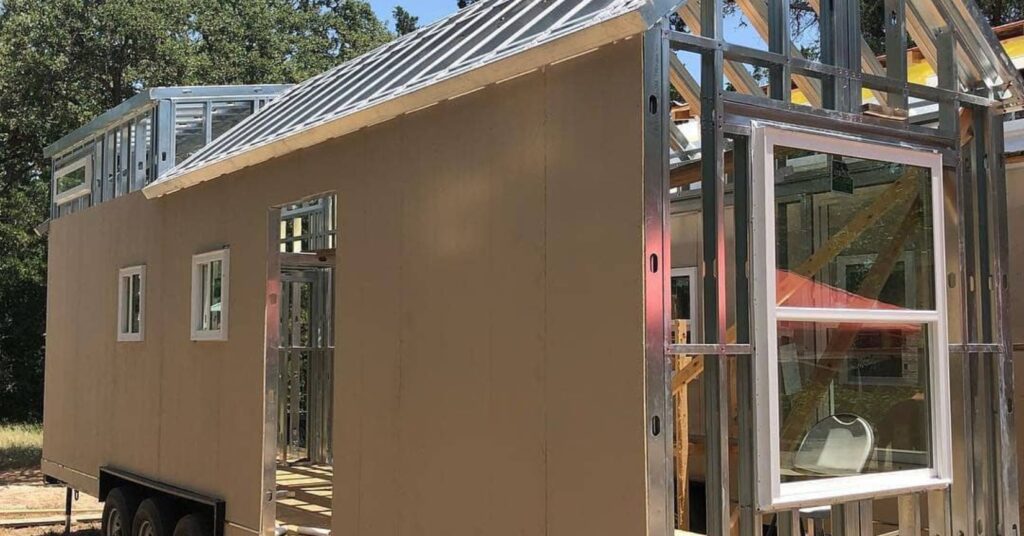
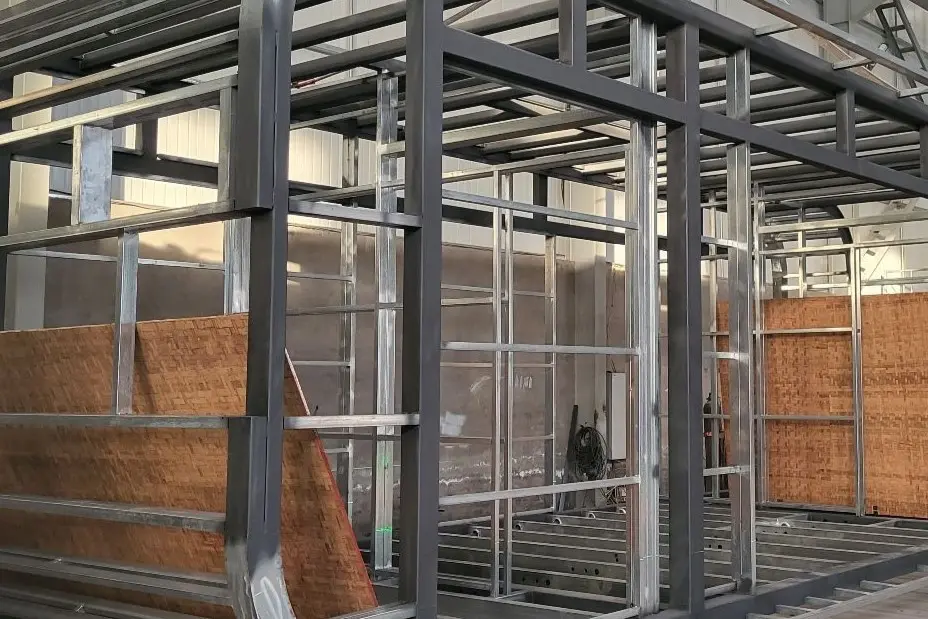
Our tiny houses are constructed with high-quality aluminum extrusions, a material that inherently provides a powerful defense against humidity-related issues.
- Moisture-Resistant: Unlike wood, aluminum does not absorb water. It will not warp, rot, or swell when exposed to moisture, effectively eliminating the primary causes of water damage in tiny homes.
- No Organic Material for Mold: Mold requires organic material to grow. Aluminum provides no food source, making it much more difficult for mold to establish itself, even if humidity levels temporarily rise.
- Durable and Stable: Aluminum’s structural integrity is not compromised by temperature changes or moisture exposure. This ensures your tiny house remains strong, square, and safe for decades.
In essence, an aluminum tiny house provides a robust, inert barrier against moisture, giving you a significant head start in the battle against high humidity.
Speaking of innovative design, this core philosophy is what drives us at MagicBox Tiny Homes. We specialize in crafting precision-engineered tiny houses built with a strong aluminum frame, specifically designed to tackle the challenges of modern tiny living. To see how we put these principles into practice across our various models, click here to explore our available floor plans.
Mastering Tiny House Ventilation for a Perfect Climate
Excellent tiny house ventilation is the active partner to your home’s passive moisture resistance. It is the system that continuously exchanges stale, humid air for fresh, dry air. A well-ventilated aluminum tiny house is virtually unbeatable for climate control.
Here are the key components of an effective tiny house ventilation strategy:
- Cross-Ventilation: Strategically placed windows and roof vents on opposite sides of the house allow fresh air to flow naturally through the space, carrying moisture out with it.
- Mechanical Ventilation: This is non-negotiable for a healthy tiny house, especially in humid climates or during winter.
- Kitchen Exhaust Fan: A vented range hood is essential to remove steam, grease, and odors directly at the source while cooking.
- Bathroom Exhaust Fan: This is critical for removing humid air after showers. It should be vented directly to the outside.
- Climate Control Systems:
- Air Conditioning (AC): Modern AC units do more than cool air; they are excellent dehumidifiers, actively removing moisture as they circulate air.
- Energy Recovery Ventilator (ERV): For the ultimate in efficiency, an ERV system exchanges the indoor humidity and stale air with fresh outdoor air while recovering energy, minimizing heat loss or gain. This provides constant, controlled ventilation without wasting energy.
Key Advantages of an Aluminum Tiny House for Ventilation:
- Airtight Sealing: Aluminum framing allows for incredibly precise and airtight construction. This might seem counterintuitive, but it’s actually a benefit. An airtight structure gives you, the homeowner, complete control over the ventilation. You are not at the mercy of random drafts and air leaks; instead, you can use efficient mechanical systems to provide precise and filtered air exchange exactly when and where you need it.
- No Moisture Trapping: The non-absorbent nature of aluminum ensures that any moisture in the air remains in the air until it is vented out by your systems. It will not be secretly absorbed into the walls only to cause problems later, a common issue in wooden structures.
Conclusion: A Dry, Healthy, and Durable Home
Managing tiny house humility and implementing robust tiny house ventilation are the pillars of a comfortable and long-lasting tiny home. While all tiny houses require a good ventilation plan, choosing an aluminum tiny house provides a foundational advantage.
You are starting with a material that is immune to the most destructive effects of moisture. When you combine the inherent strength and resistance of an aluminum frame with a smart, multi-layered ventilation strategy, you create a living space that is not only incredibly durable but also healthier, more comfortable, and designed to stand the test of time. At MagicBox Tiny Homes, we’ve built this principle into the foundation of our designs. Choose aluminum—build with confidence and breathe easy. Click here to select your model and begin your journey.