

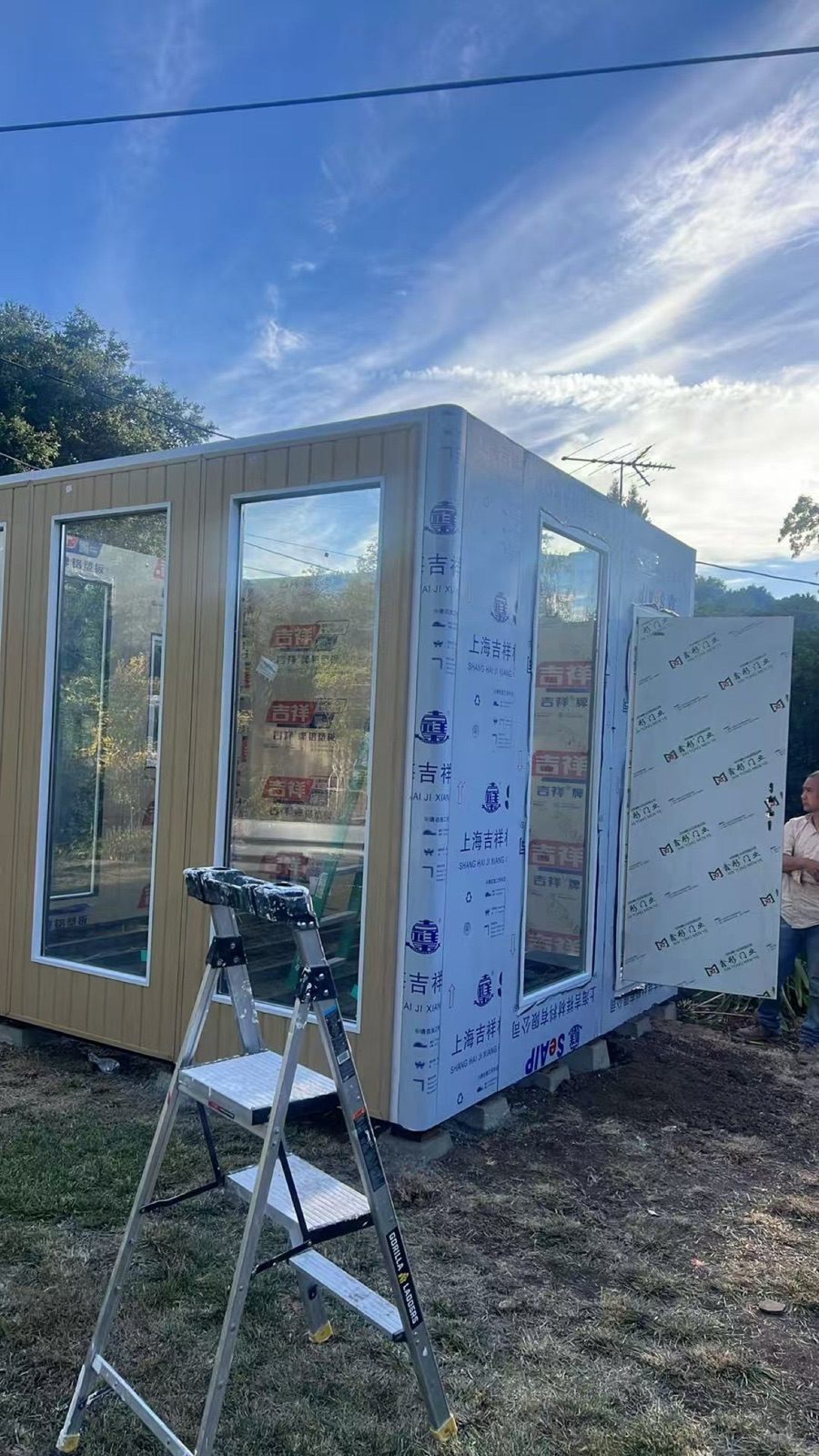
Backyard ADU: Maximize Home Value with a Guest House
In today’s dynamic real estate landscape, homeowners are increasingly discovering the transformative potential of accessory dwelling units (ADUs). Whether you’re considering a custom-built backyard guest house or a prefab granny flat, these secondary dwellings represent more than just additional living space—they’re strategic investments that can significantly boost your home value while generating steady rental income. In fact, if you’re curious about similar trends, check out our article on the rise of prefab ADUs here.
ADUs have emerged as a practical solution to address housing shortages and accommodate evolving lifestyle needs. These independent living spaces, built on existing residential lots, offer flexibility and financial benefits that savvy homeowners are eager to leverage. From housing extended family to creating rental opportunities, ADUs represent a versatile addition to any property here.
Table of Contents
- Understanding ADUs: More Than Just Extra Space
- The Impact on Property Values: A Significant Boost
- Financial Benefits: Creating Multiple Revenue Streams
- Understanding Your ROI: The Numbers Behind the Investment
- Making the Choice: Traditional vs. Prefab
- Beyond the Bottom Line: Additional Benefits
- Conclusion: A Strategic Investment in Your Property’s Future
Understanding ADUs: More Than Just Extra Space
An accessory dwelling unit transcends the simple concept of an additional room. These self-contained living spaces include essential amenities—a full kitchen, bathroom, and dedicated living area—making them complete homes in miniature. While the terminology might vary, from backyard guest houses to prefab granny flats, all ADUs share the fundamental characteristic of providing independent living quarters on the same property as a primary residence here. For more insights on streamlined ADU solutions, explore our article on turnkey ADU housing options here.
The modern ADU movement reflects changing societal needs and economic realities. Families seeking multi-generational living solutions, homeowners looking to generate rental income, and property owners wanting to maximize their land use all find value in these versatile structures. As confirmed by Fannie Mae’s recognition of ADUs in their lending guidelines, these additions have become mainstream features in residential real estate here.
The Impact on Property Values: A Significant Boost
Adding an ADU to your property isn’t just about creating extra space—it’s about making a strategic investment that can substantially increase your home’s market value. Recent real estate trends indicate that properties with ADUs command premium prices, with value increases ranging from 10% to 30% depending on the market and specific circumstances here. For further reading on strategies to maximize your returns, take a look at our post on Tiny House Resort ROI here.
This value enhancement stems from multiple factors. First, the additional square footage itself contributes to the property’s overall worth. More importantly, the versatility and income potential of an ADU make the property more attractive to future buyers. Whether they envision housing elderly parents, creating a home office, or generating rental income, prospective purchasers often view ADUs as valuable assets that justify higher purchase prices.
Financial Benefits: Creating Multiple Revenue Streams
The financial advantages of adding an ADU extend well beyond increased property values. One of the most compelling benefits is the potential for generating rental income. Whether through long-term leases or short-term vacation rentals, a well-designed ADU can create a steady revenue stream that helps offset its construction costs and potentially provides ongoing passive income.
When comparing backyard guest houses to prefab granny flats, the initial investment and potential returns deserve careful consideration. While traditional custom-built structures typically cost more upfront, they often offer greater design flexibility and may better match your existing home’s architecture. Conversely, prefab options usually provide faster installation and more predictable costs, potentially accelerating your return on investment here. For a broader perspective on prefab constructions and alternative designs, see our discussion comparing shipping container and prefab modular homes here.
Understanding Your ROI: The Numbers Behind the Investment
Calculating the return on investment for your ADU requires considering multiple factors. The basic formula—(Rental Income + Increased Home Value – Build Costs – Maintenance) / Build Costs × 100—provides a framework for evaluation, but the details matter significantly.
Consider this real-world example: A $100,000 backyard guest house that generates $2,000 monthly in rental income ($24,000 annually) while adding $50,000 to your property’s value could yield a first-year ROI exceeding 70%. This calculation accounts for typical maintenance costs of 1-2% annually while demonstrating the powerful financial potential of ADU investments here. When calculating your returns, be sure to understand current building requirements and zoning nuances by reviewing our guide to 2026 ADU Regulations here.